Skip to content



When it comes to home renovation, one of the most impactful choices you’ll make is the size of the tiles you use. Whether you’re remodeling your kitchen, updating your bathroom, or revamping your outdoor patio, the tile size can dramatically influence the look and feel of your space. Selecting the right tile size goes beyond just aesthetics—it can affect the overall functionality, maintenance, and even the perception of space. In this guide, we’ll explore everything you need to know about choosing the right tile size for your home.
Why Tile Size Matters
Tile size is often overlooked, but it plays a critical role in determining the success of a home improvement project. The dimensions of the tiles can impact how spacious a room feels, how much light is reflected, and even how easy it is to clean. For instance, larger tiles tend to create a more open and streamlined appearance, while smaller tiles often provide intricate details and are great for adding texture and variety.
But the benefits of selecting the right tile size go beyond visual appeal. The size of the tiles also affects the number of grout lines, which can influence the maintenance requirements. Fewer grout lines generally mean less cleaning, which is especially important in areas like bathrooms and kitchens where dirt, mold, and mildew can accumulate.
Understanding Tile Sizes
Standard Tile Sizes
Before diving into how to choose the right size, it’s essential to understand the standard tile sizes available in the market. Tiles come in a range of sizes, with the most common being:
- Small tiles: 1×1 inch to 6×6 inches
- Medium tiles: 8×8 inches to 16×16 inches
- Large tiles: 18×18 inches and up, often going up to 24×48 inches or even larger
In addition to square tiles, many tiles come in rectangular or even irregular shapes, such as hexagons, octagons, and planks, offering more design flexibility.
Choosing the Right Tile Size for Different Spaces
Tile Size for Small Spaces
In smaller spaces like bathrooms, laundry rooms, or compact kitchens, tile size plays a crucial role in creating the illusion of a larger area. Homeowners often think that small tiles are ideal for small rooms, but surprisingly, larger tiles can make a small space appear bigger. The reason for this is that larger tiles have fewer grout lines, creating a more continuous and less cluttered look.
For instance, in a small bathroom, opting for 12×12 inch or 16×16 inch tiles on the floor can make the room feel more expansive. Pairing these tiles with a matching or complementary wall tile can further enhance the sense of spaciousness. However, small tiles can still be effective in areas like shower floors, where intricate mosaics provide grip and visual interest.
Tile Size for Large Spaces
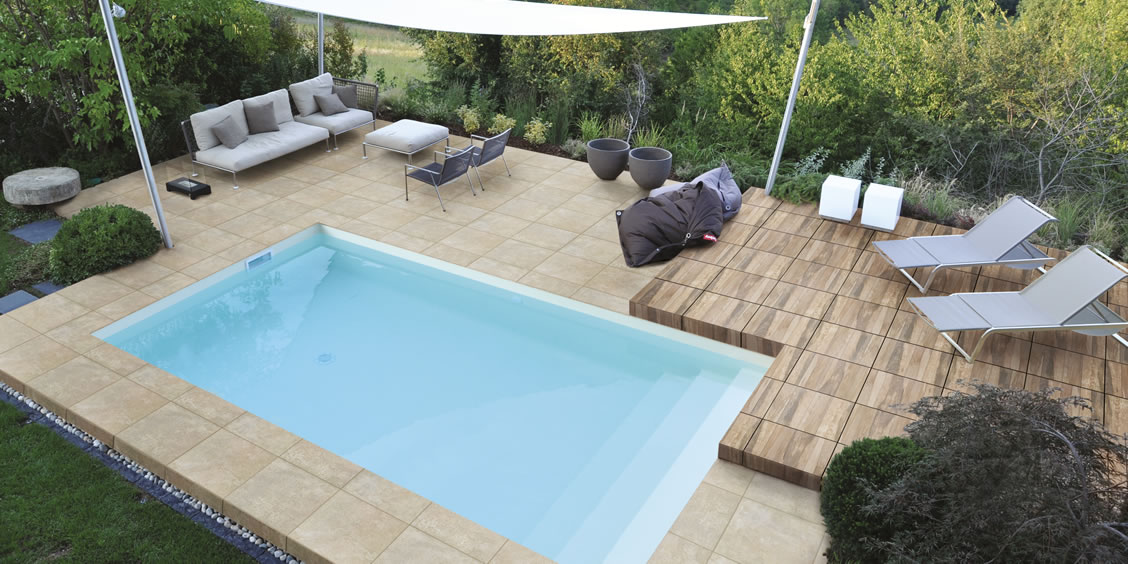
When dealing with large spaces such as open-concept kitchens, living rooms, or outdoor patios, you have the freedom to play with different tile sizes. Larger tiles, such as 24×24 inches or even 48×48 inches, are perfect for these areas. They create a sleek, modern look with minimal grout lines, allowing the space to flow seamlessly.
In large rooms, large-format tiles can help reduce the appearance of clutter, making the area feel clean and streamlined. Conversely, mixing in smaller tiles in certain areas—like a kitchen backsplash—can add visual interest and break up the monotony.
If you’re in the market for high-quality porcelain tiles, choose Tile Factory Direct. Our extensive selection and competitive prices ensure you’ll find the perfect fit for your project!
The Impact of Tile Size on Room Perception
Creating a Sense of Space
As mentioned earlier, tile size can significantly influence the perception of space. Large tiles create an open, airy feel, making them a popular choice for modern interiors. On the other hand, small tiles can make a space feel cozier and more intimate. The key is to match the size of the tiles with the proportions of the room.
In narrow spaces like hallways or small entryways, rectangular tiles placed in a diagonal or herringbone pattern can make the room appear wider than it is. This trick draws the eye outward, creating the illusion of more space.
Aesthetic Considerations
Your choice of tile size should also align with the overall aesthetic you’re trying to achieve. For example, if you’re aiming for a rustic, traditional look, smaller tiles like 4×4 inch ceramics may be more suitable. On the other hand, if you’re going for a sleek, contemporary style, larger tiles with fewer grout lines will provide a more modern feel.
Additionally, consider the texture and finish of the tiles. Glossy, larger tiles can reflect more light, making a room feel brighter, whereas matte, smaller tiles might be better suited to rustic or vintage-inspired spaces.
Grout Lines: An Important Consideration
Grout lines are often an afterthought, but they play a significant role in how your tile installation looks and functions. The larger the tile, the fewer grout lines you’ll have, which can be a major advantage in terms of maintenance and appearance. Grout lines break up the continuity of tiles, so minimizing them can create a more seamless look.
Smaller tiles naturally require more grout lines, which can add texture and pattern to a space. While this can be a great way to add interest to walls or floors, more grout lines also mean more areas for dirt and moisture to accumulate, particularly in high-traffic or wet areas.
To mitigate the maintenance of grout lines, consider using a grout color that closely matches the tile color. This can make the grout lines less noticeable and provide a cleaner look overall.
Popular Tile Materials and Their Sizes
Ceramic Tiles
Ceramic tiles are one of the most versatile and widely used materials in home design. They come in a variety of sizes, but the most common are 12×12 inches and 16×16 inches for floors, and smaller sizes for walls and backsplashes.
Ceramic tiles are ideal for areas with moderate foot traffic, such as kitchens, bathrooms, and entryways. Their smaller sizes work well in spaces where intricate patterns or bold colors are desired, such as in a decorative backsplash.
Porcelain Tiles
Porcelain tiles are denser and more durable than ceramic, making them ideal for high-traffic areas and outdoor spaces. Common sizes for porcelain tiles include 12×24 inches, 18×18 inches, and 24×24 inches, though they can go much larger for floor installations.
Porcelain tiles are a great option for creating a modern, streamlined look with fewer grout lines. Their large sizes make them suitable for expansive floor areas, while smaller options are great for accent walls or detailed patterns.
Natural Stone Tiles
Natural stone tiles like marble, granite, and travertine bring a sense of luxury to any room. These materials come in a range of sizes, from small mosaics to large slabs. For floors, 12×12 inches and 18×18 inches are popular choices, while smaller mosaic tiles are often used for shower floors or kitchen backsplashes.
When using natural stone tiles, it’s important to consider both the size and the finish. Larger tiles with a polished finish will create a more elegant and expansive look, while smaller, textured tiles may be more appropriate for areas where traction is important, such as bathrooms.
Tile Size and Installation Challenges
While choosing the right tile size is crucial for the overall look of your space, it’s also important to consider the installation process. Large-format tiles, for instance, can be more difficult to install because they require a perfectly level surface to avoid lippage (when the edges of adjacent tiles are at different heights). Additionally, larger tiles are heavier, making the installation process more labor-intensive.
Small tiles, while easier to maneuver, require more precision to ensure that the grout lines are even. In areas like bathrooms, where moisture can be an issue, the increased number of grout lines may also require more attention to sealing and maintenance to prevent water damage.
For DIY homeowners, medium-sized tiles—such as 12×12 or 16×16 inches—tend to offer the best balance between ease of installation and visual appeal. These tiles are large enough to cover a substantial area without too many grout lines but small enough to handle easily.
Trends in Tile Sizes
Large-Format Tiles
Large-format tiles have become increasingly popular in both residential and commercial settings. Sizes like 24×24 inches, 12×24 inches, and even larger are now commonly used in modern homes. These oversized tiles create a sleek, continuous surface with minimal grout lines, which is ideal for open-plan living spaces.
Large-format tiles are especially popular in minimalist or contemporary designs, where clean lines and simplicity are key. They are also a practical choice for busy households, as fewer grout lines mean less cleaning.
Mosaic Tiles
At the other end of the spectrum, mosaic tiles are making a comeback. These tiny tiles, often mounted on mesh sheets, allow for intricate designs and patterns that can add texture and interest to a space. Mosaic tiles are frequently used in bathrooms and kitchens as accent walls, shower floors, or backsplashes.
While they require more grout, mosaic tiles are a great way to inject personality and style into a space. They come in a variety of materials, including glass, ceramic, and natural stone, offering endless design possibilities.
Summary
Choosing the right tile size is a balancing act between aesthetics, functionality, and maintenance. Whether you’re drawn to the clean lines of large-format tiles or the intricate details of smaller mosaic tiles, understanding the impact of tile size on your space is crucial to making an informed decision.
Consider the proportions of the room, the overall design style you’re aiming for, and the practical aspects of installation and upkeep. By taking all these factors into account, you can ensure that your tile choice not only looks great but also suits the needs of your home. Looking for top-quality porcelain tiles? Choose Tile Factory Direct for a wide selection and unbeatable prices to elevate your space!