Skip to content


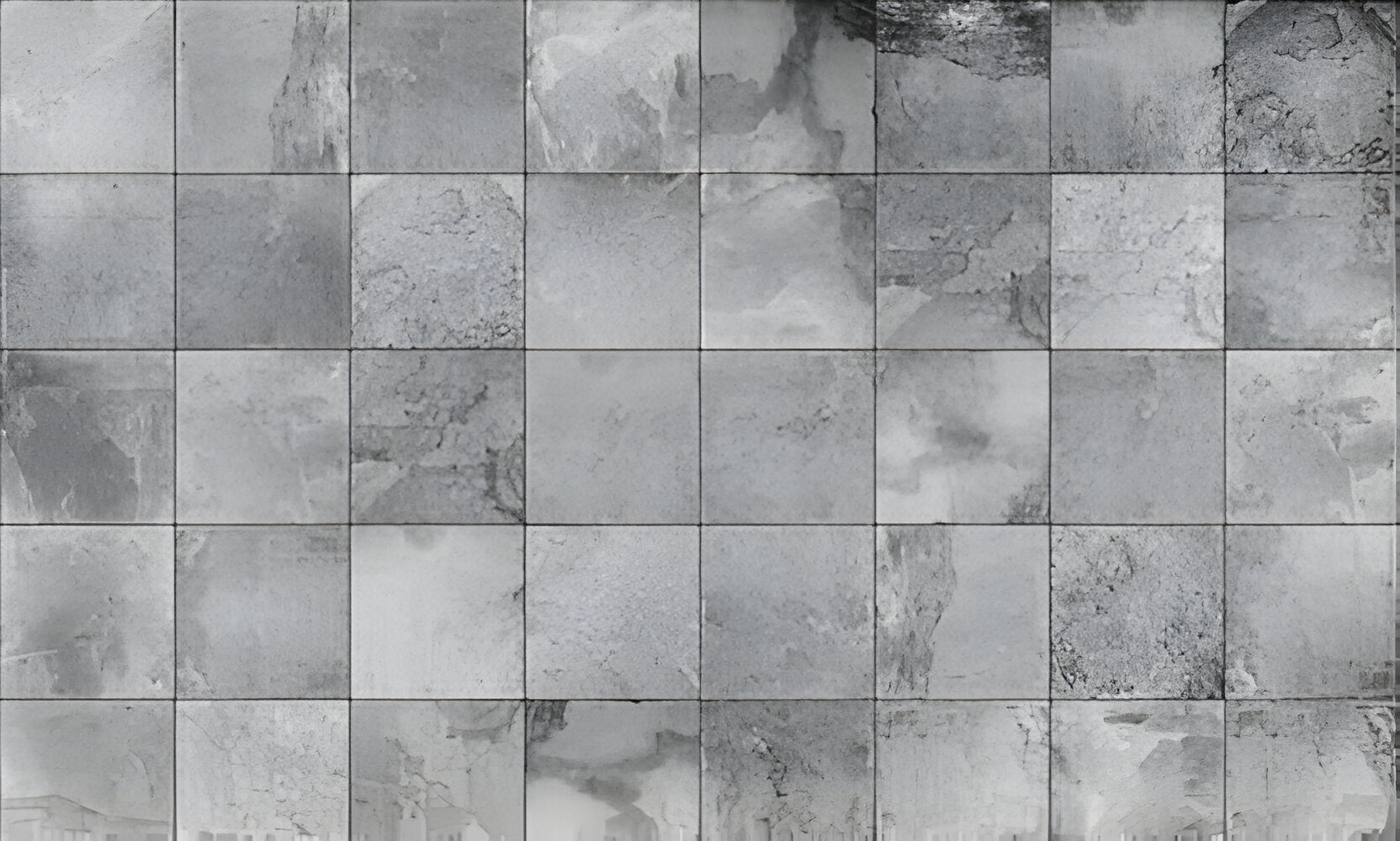
Porcelain tile has surged in popularity across the United States in recent years, becoming a staple in countless homes and commercial spaces. Its widespread adoption can be attributed to a myriad of factors, including its durability, versatility, and aesthetic appeal. As more homeowners and designers seek out the perfect flooring and wall-covering solutions, the importance of selecting the right tile for each space becomes increasingly evident.
Whether you’re renovating your kitchen, or bathroom, or revamping a commercial property, understanding the significance of choosing the right tile is important.
Tips for Choosing the Best Porcelain Tiles
1. Budget and Cost Considerations
While porcelain tiles are generally more expensive than ceramic tiles, they offer superior durability and longevity, which can make them a cost-effective choice in the long run. Consider not only the price per square foot of the tiles but also additional costs such as underlayment, adhesives, grout, and professional installation if required. Expect to pay between $10 to $40 per square foot, including installation, depending on the quality, design, and complexity of the project.
It’s always wise to get quotes from multiple suppliers and factor in potential waste due to cuts and breakage. Remember, while it might be tempting to cut costs, investing in higher-quality tiles can often result in a better-looking, longer-lasting floor that may prove more economical over time.
Explore High quality Porcelain Tiles at Tile Factory Direct at Affordable Prices
2. Tile Size, Shape, and Thickness
The size and shape of the tiles you choose can significantly impact the overall look and feel of your space. Large format tiles tend to create a more expansive appearance, making them ideal for open areas, while smaller tiles can be used to create intricate patterns or designs.
Tile thickness is important for durability and compatibility with your subfloor; thicker tiles are generally more robust but may require adjustments to door clearances and transitions between rooms. The best thickness for porcelain tiles typically ranges from 8mm to 12mm for floor applications, with 10mm being a popular choice for most residential settings.
3. Glazed vs Matte Finish Porcelain
The surface finish of a tile affects both its appearance and its practicality. Polished finishes reflect light and create a glossy, sophisticated look, but they can be slippery when wet and may show scratches more easily.
Matte finishes offer a more subdued appearance and are generally less slippery, making them suitable for high-traffic areas or outdoor use. Textured finishes provide added grip and are often used in areas where slip resistance is a concern, such as bathrooms or entryways.
4. Color and Look Options
Porcelain tiles come in a vast array of colors and patterns, allowing you to customize your space to suit your personal style and design preferences. Consider the existing color scheme and decor of your space when choosing tile colors, and think about how different patterns might complement or contrast with your furnishings and accessories.
Options range from sophisticated stone looks that emulate granite or travertine to warm wood looks that replicate oak or maple. For a touch of luxury, marble-look tiles offer timeless elegance, while slate-look tiles provide a rugged, natural appeal. Brick-look tiles add a rustic charm, ideal for creating a vintage atmosphere, while industrial-style tiles offer a modern, urban aesthetic. Subway-style patterns and intricate, patterned styles can bring character and depth to any space, catering to diverse tastes and design preferences.
5. PEI Grade Rating of Porcelain tiles
When choosing porcelain tiles, it’s crucial to consider their grade and PEI (Porcelain Enamel Institute) rating. These factors indicate the tile’s durability and suitability for different applications.
The PEI rating system classifies tiles into five grades based on their resistance to wear and abrasion. Here’s a breakdown of the grades and their suitable applications:
- PEI Grade 1: These tiles are the least durable and are suitable only for wall applications in Kitchens or Bathrooms. They are not suitable for flooring.
- PEI Grade 2: Suitable for light-traffic residential areas such as bathrooms or bedrooms where soft-soled footwear is typically worn. These tiles can handle light to moderate foot traffic.
- PEI Grade 3: These tiles are appropriate for most residential areas, including kitchens, living rooms, and hallways. They can withstand moderate foot traffic and are suitable for light commercial use.
- PEI Grade 4: Highly durable tiles that can handle heavy foot traffic. They’re suitable for all residential applications and many commercial areas such as restaurants, hotels, and exhibition halls.
- PEI Grade 5: PEI 5 is the best grade of Porcelain tiles. They are most durable and are capable of withstanding high levels of foot traffic and abrasion. These are ideal for heavy commercial and industrial applications, including shopping malls, airports, and public spaces.
When selecting porcelain tiles, match the PEI rating to the expected level of foot traffic in the installation area. For residential use, tiles with a PEI rating of 3 or 4 are typically sufficient. For commercial applications, opt for tiles with a PEI rating of 4 or 5 to ensure long-lasting performance.
6. Installation Requirements
Proper installation of Porcelain tiles is crucial to the long-term performance and durability. Consider factors like subfloor preparation, adhesive selection, and grout spacing when planning your installation. Some tiles may require specialized installation techniques, so be sure to follow the manufacturer’s recommendations and consult with a professional if you’re unsure.
7. Maintenance and Care Considerations
Porcelain tile is relatively low-maintenance, but it still requires regular cleaning and care to keep it looking its best. Choose a tile that is easy to clean and resistant to stains, scratches, and fading.
Consider factors like grout color and texture, as well as any special maintenance requirements for the specific type of tile you choose. Regular sweeping and mopping with a mild detergent are usually sufficient to keep porcelain tile clean but be sure to follow any additional care instructions provided by the manufacturer.
Here’s a guide on How to Clean Porcelain Tiles
How is Porcelain Tile Made?
Porcelain tile is a type of ceramic tile that is manufactured using finely ground clay and other minerals. Its composition typically includes kaolinite, a type of clay, along with feldspar, silica, and various other minerals. These materials are mixed, formed into tiles, and then fired at extremely high temperatures, resulting in a dense and durable product.
One of the defining characteristics of porcelain tile is its low water absorption rate, typically less than 0.5%. This makes it highly resistant to moisture, stains, and frost, making it suitable for both indoor and outdoor applications. Additionally, porcelain tile is known for its hardness and strength, making it ideal for high-traffic areas where durability is essential.
Benefits of Choosing Porcelain Tile
Porcelain Tiles offers various benefits and is a top flooring option for both homeowners and commercial settings.
1. Durability and Longevity
Porcelain tile is renowned for its exceptional durability and longevity. Its dense composition and high firing temperatures result in a tile that can withstand heavy foot traffic.
2. Versatility in Design and Style
With a vast array of sizes, shapes, colors, and patterns available, porcelain tile offers unparalleled versatility in design and style.
3. Low Maintenance and Easy to Clean
Porcelain tile requires minimal maintenance and is easy to clean, making it a practical choice for busy households and commercial spaces.
4. Water Resistance and Moisture Protection
Porcelain tile exhibits low water absorption rates, making it highly resistant to water damage and moisture-related issues such as warping, swelling, and mold growth.
5. Environmental Sustainability
Porcelain tile’s durability and long lifespan contribute to its sustainability by reducing the need for frequent replacements and minimizing waste.