Skip to content

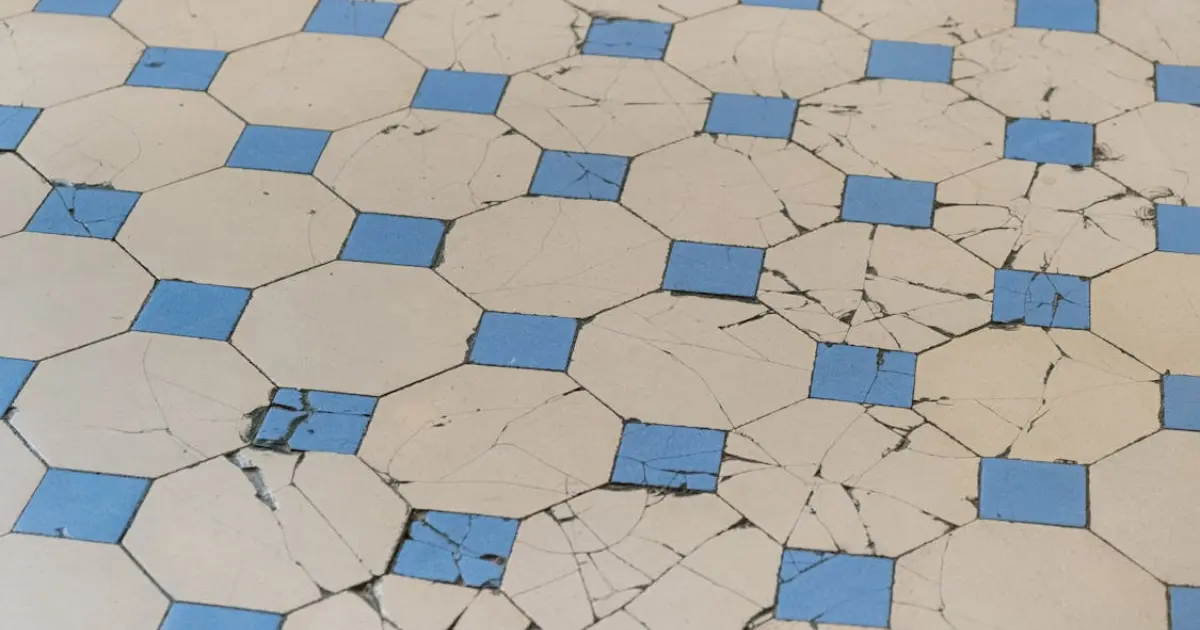
A chipped tile can feel like a small problem—until you notice it every single time you walk past it. Maybe it’s a corner crack in your bathroom floor, a chip along a kitchen backsplash, or a ding right in the middle of a high-traffic area. Whatever the case, chipped tile is common, and the good news is that it’s easy to fix chipped tile.
According to home improvement surveys, 82% US homeowners need at least one repair. And out of these, surface damage like chips and cracks accounts for nearly 39% of homeowner flooring repair. The key is knowing what kind of chip you’re dealing with, what repairs actually last, and when replacement makes more sense.
This guide walks you through practical, realistic ways on how to fix chipped tile—without fluff—and helps you decide whether repair or replacement is the smarter move.
First Things First: Is the Tile Structurally Sound?
Before reaching for repair kits or filler, take a close look at the tile itself. Not all chips are created equal.
If the tile is firmly bonded to the floor or wall and the chip is shallow, cosmetic repair is usually enough. But if the tile sounds hollow when tapped, has multiple cracks radiating outward, or shifts under pressure, the issue is likely beneath the surface. In those cases, repairing the chip won’t solve the real problem.
A simple test: gently tap around the chipped area with the handle of a screwdriver. A solid tile sounds sharp and firm. A loose tile sounds dull or hollow.
If the tile is loose, replacement is often the safest route, especially on floors or in wet areas like showers. (You can explore replacement-ready options in Tile Factory’s tile flooring collection.)
Small Chips on Glazed Ceramic or Porcelain Tile
This is the most common situation, and the easiest to fix.
For minor chips that affect only the surface glaze, a tile repair epoxy or ceramic filler works well. These products are designed to bond to tile and can be color-matched to blend in surprisingly well, especially on solid-color or lightly patterned tiles.
The repair process itself is straightforward. Clean the area thoroughly, removing dirt, grease, or loose fragments. Apply the filler carefully with a small putty knife or applicator, keeping it level with the tile surface. Once cured, light sanding helps smooth the repair, and a touch-up glaze or paint can help it visually disappear.
This type of fix works best on standard ceramic and porcelain tile, which you’ll commonly find in kitchens, bathrooms, and entryways. (Porcelain tile, in particular, is known for its durability—learn more about it in Tile Factory’s porcelain tile selection.)
Chips on Natural Stone Tile: A Different Approach
Stone tiles like marble, travertine, or slate behave differently than ceramic or porcelain. Because stone is porous and naturally varied in color, repairs require more care.
Stone repair kits typically use two-part epoxy mixed with pigment or stone dust. When done properly, the repair blends into the surrounding material instead of looking like a surface patch.
Keep in mind that stone tiles often require sealing. If your repair area looks dull or darker after curing, resealing the tile may be necessary to maintain a consistent finish. For homeowners using natural stone, Tile Factory’s stone look tile options offer more durable choices if replacement becomes the better option.
What About Cracked or Sharp Tile Edges?
If a chip leaves behind a sharp edge, it’s more than cosmetic, it’s a safety concern.
Light sanding with fine-grit sandpaper or a diamond sanding pad can soften sharp edges on porcelain or ceramic tile. This doesn’t restore the tile, but it helps prevent cuts and reduces further chipping.
However, if the tile continues to crack or flake after sanding, it’s often a sign of stress from below. At that point, replacing the tile instead of repeatedly patching it is usually the smarter long-term decision.
When Replacing a Tile Is the Better Choice
Sometimes, fixing a chip just isn’t worth it.
If the tile is cracked all the way through, heavily chipped, or located in a focal area, like the center of a kitchen floor or shower wall, replacement almost always looks better and lasts longer.
Replacing a single tile sounds intimidating, but for experienced installers, it’s routine. The biggest challenge is finding a close match in size, color, and finish, especially if the original tile is no longer available.
This is where choosing widely available, well-supported tile lines helps. Tile Factory’s broad inventory makes it easier to match or update damaged areas without replacing an entire floor.
Why Tile Quality Matters for Long-Term Durability
One reason tiles chip in the first place is material quality. Lower-grade tiles often have thinner glaze layers or weaker bodies, making them more prone to edge damage.
Porcelain tile is denser and more impact-resistant than standard ceramic tile, which is why it’s commonly recommended for high-traffic areas. If durability is a priority, upgrading to a stronger tile can prevent repeat repairs down the road.
Installation materials matter too. Using the right thinset mortar, grout, and tools helps ensure tiles are fully supported. (You can find professional-grade options in Tile Factory’s installation supplies.)
Preventing Tile Chips Before They Happen
While no tile is completely damage-proof, a few habits reduce the risk of chipping.
Avoid dragging heavy furniture across tile floors. Use felt pads under chairs and tables. In kitchens, mats near sinks and prep areas help absorb impact from dropped items.
Most importantly, proper installation is critical. Tiles installed over uneven subfloors or with poor mortar coverage are far more likely to chip or crack over time.
DIY Repair vs. Calling a Professional
Small, surface-level chips are usually safe to fix yourself. The repair is quick, affordable, and often good enough to stop noticing the damage altogether.
However, if the tile is loose, cracked through, or part of a waterproof system like a shower, professional repair is the safer choice. Improper fixes in wet areas can lead to moisture damage behind the tile—turning a small problem into a much bigger one.
How To Fix Chipped Tile with Tile Factory
When a chipped tile needs replacement, having access to the right materials makes all the difference. At tilefactory.com, homeowners and contractors can find porcelain tile options designed for durability and long-term performance.
Whether you’re replacing a single tile or upgrading to something more resilient, choosing quality materials helps prevent future damage—and repeat repairs.
Final Thoughts
A chipped tile doesn’t automatically mean a full renovation. In many cases, simple repairs restore the look and function of your floor or wall.
The key is understanding the damage and choosing a fix that lasts. Cosmetic chips can often be repaired. Structural damage usually calls for replacement. And when replacement is needed, quality tile makes all the difference.