Skip to content


Color trends play a crucial role in interior design, shaping the aesthetic and ambiance of spaces. They reflect the zeitgeist, encapsulating cultural shifts, technological advancements, and societal moods. Designers and homeowners often look to color trends for inspiration, using them to create cohesive and visually appealing environments. Staying updated with the latest color trends ensures that spaces feel modern and relevant, contributing to the overall success and satisfaction of design projects.
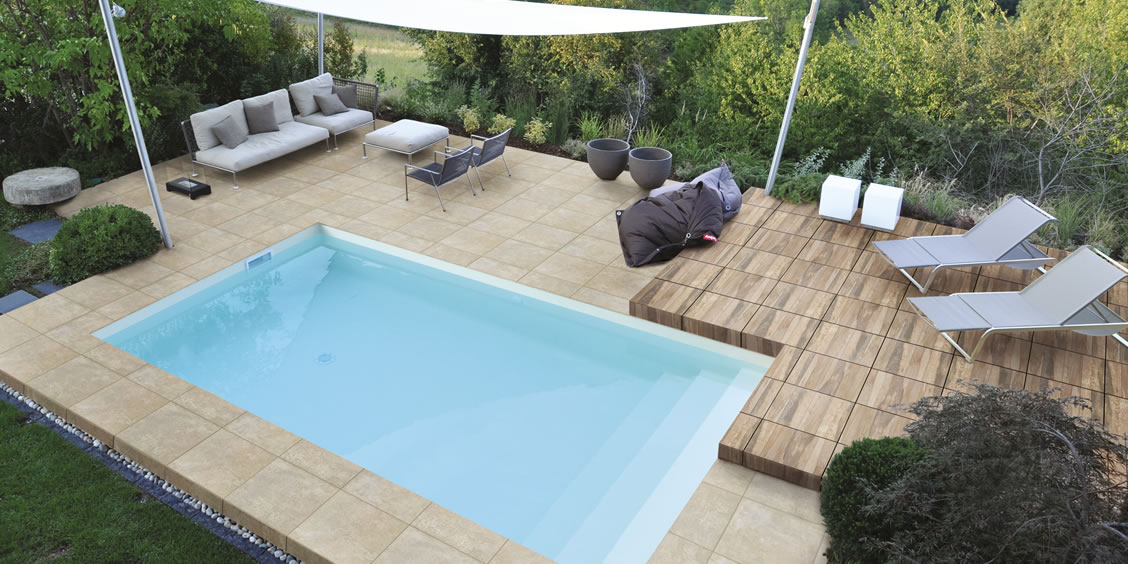
In parallel, porcelain tiles have been gaining significant popularity in recent years. Renowned for their durability, low maintenance, and versatile designs, porcelain tiles are an attractive choice for both residential and commercial spaces. Advances in manufacturing technology have enabled the production of porcelain tiles that mimic the appearance of natural materials like wood and stone, offering high-end looks without the associated costs and upkeep. This combination of practicality and aesthetic flexibility makes porcelain tiles a favored option in contemporary interior design.
The Significance of Color in Porcelain Tiles
The significance of color in porcelain tiles extends beyond mere aesthetics; it profoundly impacts the mood and ambiance of a space. Different colors evoke different emotions and can transform the perception of a room. For instance, cool colors like blues and greens can create a calming and serene environment, perfect for bathrooms or bedrooms. In contrast, warm colors such as reds and oranges can energize and invigorate, making them ideal for kitchens and social areas. The strategic use of color in porcelain tiles allows designers to craft spaces that not only look appealing but also feel right for their intended purpose.
Moreover, color plays a crucial role in enhancing the aesthetics and functionality of porcelain tiles. By selecting the right hues, tiles can complement various design themes, from minimalist and modern to rustic and traditional. Lighter colors can make small spaces appear larger and more open, while darker tones can add depth and coziness to expansive areas. Beyond visual appeal, color can also influence functionality; for example, darker tiles are often chosen for high-traffic areas as they can better mask dirt and wear. Thus, the thoughtful application of color in porcelain tiles ensures that spaces are both beautiful and practical.
If you’re seeking high-quality porcelain tiles, choose Tile Factory Direct for a wide selection and reliable craftsmanship.
Top Emerging Color Trends in Porcelain Tiles
1. Earthy Neutrals
Earthy neutrals encompass a range of colors inspired by nature, including shades of beige, taupe, brown, and gray. These colors evoke a sense of calm and grounding, making them a popular choice in interior design. Examples of earthy neutrals include soft sandstone, warm clay, rich cocoa, and cool slate. These hues bring warmth and sophistication to any space, providing a versatile backdrop that complements various design styles.
Incorporating earthy neutrals into different spaces can be done in several ways. In living rooms, consider using taupe or beige porcelain tiles for the flooring to create a cozy and inviting atmosphere. Pair these with natural wood furniture and accents in similar tones for a harmonious look. In kitchens, gray or slate-colored tiles can serve as a sleek and modern backsplash, adding depth without overwhelming the space. For bathrooms, earthy neutrals like warm clay can be used on both walls and floors to create a spa-like retreat. By balancing these colors with natural textures and materials, such as wood and stone, you can achieve a cohesive and serene environment throughout your home.
2. Bold and Bright Hues
Bold and bright hues in porcelain tiles are vibrant and eye-catching, injecting energy and personality into any space. These colors range from vivid blues, rich reds, and sunny yellows to striking greens and purples. Examples of bold and bright hues include cobalt blue, ruby red, canary yellow, emerald green, and royal purple. These tiles are often used to make a statement, creating focal points and adding a dynamic element to interior design.
Ideal settings for vibrant tiles are areas where you want to create an impact or infuse a sense of excitement. In kitchens, a backsplash featuring bold colors like cobalt blue or ruby red can add a pop of color and serve as a striking contrast to neutral cabinetry and countertops. Bathrooms are another great place for vibrant tiles; consider using emerald green or royal purple tiles for shower walls or as an accent strip to create a luxurious and unique look. Entryways and hallways can also benefit from the use of bold hues, as they set the tone for the rest of the home and make a memorable first impression. To balance the intensity of these colors, pair them with neutral furnishings and accessories, ensuring that the space remains cohesive and inviting.
3. Cool Blues and Greens
Cool blues and greens encompass a range of serene and soothing shades that are reminiscent of the sky and nature. These colors include soft pastels like baby blue and mint green, as well as deeper hues like navy and forest green. Examples of cool blues and greens are seafoam green, teal, turquoise, and sapphire blue. These colors are often chosen for their calming and tranquil qualities, making them ideal for creating peaceful and refreshing spaces.
The benefits of using calming colors like cool blues and greens in various environments are significant. In living rooms and bedrooms, these hues can create a restful and serene atmosphere, promoting relaxation and reducing stress. Soft blue or green porcelain tiles can be used on walls or floors to establish a soothing foundation, complemented by neutral or natural accents to enhance the tranquil effect. In bathrooms, shades like seafoam green or turquoise can evoke a spa-like feel, providing a rejuvenating space for unwinding. In workspaces or home offices, cooler tones can help improve focus and concentration, fostering a calm and productive environment. Overall, incorporating cool blues and greens into different settings can enhance the well-being of occupants by creating spaces that feel harmonious and balanced.
4. Soft Pastels
Soft pastels encompass gentle, muted colors that bring a sense of lightness and elegance to interior spaces. These colors include shades like blush pink, baby blue, lavender, mint green, and soft peach. Examples of soft pastels are powder blue, pale lilac, and creamy coral. These hues are perfect for adding a touch of color without overwhelming the senses, creating a delicate and refined atmosphere.
Creating a subtle yet stylish look with soft pastels involves strategic placement and pairing with complementary elements. In living rooms, pastel-colored porcelain tiles can be used as flooring or feature walls, providing a light and airy feel. For instance, powder blue tiles paired with white or light gray furniture can create a serene and cohesive look. In kitchens, mint green or blush pink tiles can serve as a charming backsplash, adding a hint of color that enhances the overall design without dominating it. Bedrooms benefit from the soothing qualities of pastels; pale lilac or soft peach tiles can be used for accent walls or around the fireplace to create a tranquil retreat. To maintain a sophisticated style, balance pastel tiles with neutral tones, natural materials, and minimalistic décor, ensuring that the space remains elegant and harmonious.
5. Monochromatic Schemes
Monochromatic schemes involve using a single color in varying shades, tones, and tints to create a cohesive and sophisticated look. This approach leverages the subtle differences within one color family to add depth, interest, and harmony to a space. Examples of monochromatic schemes include using various shades of gray, from light silver to deep charcoal, or different tones of blue, from pale sky blue to rich navy. These schemes are versatile and can be tailored to any design style, from modern to classic.
Achieving sophistication with a unified color palette involves careful selection and placement of colors within the chosen family. In a monochromatic gray scheme, for instance, light gray porcelain tiles can be used for the flooring, while darker gray tiles might be utilized for an accent wall or backsplash. This variation in shades creates visual interest without deviating from the overall color theme. Similarly, in a blue monochromatic scheme, soft sky blue tiles could cover the walls, while deeper navy tiles might highlight certain areas such as a shower enclosure or a kitchen island.
To enhance the sophistication of a monochromatic scheme, incorporate different textures and materials within the same color family. For example, mix matte and glossy finishes, or pair smooth tiles with textured ones. Adding metallic accents, like chrome fixtures or brass hardware, can further elevate the elegance of the design. By thoughtfully layering shades and incorporating diverse textures, a monochromatic scheme can achieve a refined and polished aesthetic that is both cohesive and visually engaging.
How to Choose the Right Color for Your Space
Considering the Room’s Purpose and Natural Light
Room Purpose: Start by understanding the function of the room. For instance, calming colors like blues and greens are suitable for bedrooms and bathrooms, while vibrant hues may energize spaces like kitchens and living areas.
Natural Light: Evaluate how much natural light the room receives throughout the day. Rooms with ample natural light can handle darker or bolder colors without feeling closed-in, while rooms with limited light may benefit from lighter shades to enhance brightness.
Balancing Current Trends with Personal Style
Current Trends: Stay informed about current color trends in interior design. Trends can inspire and guide your choices, helping you create a modern and updated look.
Personal Style: Consider your personal preferences and the overall style of your home. Your space should reflect your personality and lifestyle, ensuring you feel comfortable and connected to the environment.
Tips for Mixing and Matching Colors and Patterns
Color Harmony: Choose a dominant color and complement it with shades from the same color family. For example, pair a soft gray with a darker charcoal or a muted teal with a deep navy. This creates a cohesive and harmonious palette.
Patterns: Introduce patterns cautiously to avoid overwhelming the space. Use one main patterned element, such as a rug or wallpaper, and coordinate it with solid colors that match or complement the pattern’s hues.
Texture Variation: Incorporate different textures to add depth and interest to the space. Mix smooth surfaces with textured materials like wood, stone, or fabric to create visual contrast while maintaining color harmony.
Conclusion
The emerging trends in porcelain tiles reflect a dynamic shift towards versatility and expression. From earthy neutrals and calming blues to vibrant hues and soft pastels, there’s a color palette to suit every taste and style. Embracing these trends offers an opportunity to transform your space effortlessly, whether you’re aiming for a serene sanctuary or a bold statement. Don’t hesitate to experiment with new colors and combinations to refresh your environment and create a personalized haven that resonates with your unique vision and enhances your daily living experience.
If you’re in search of high-quality porcelain tiles, Tile Factory Direct is your premier destination.