Skip to content

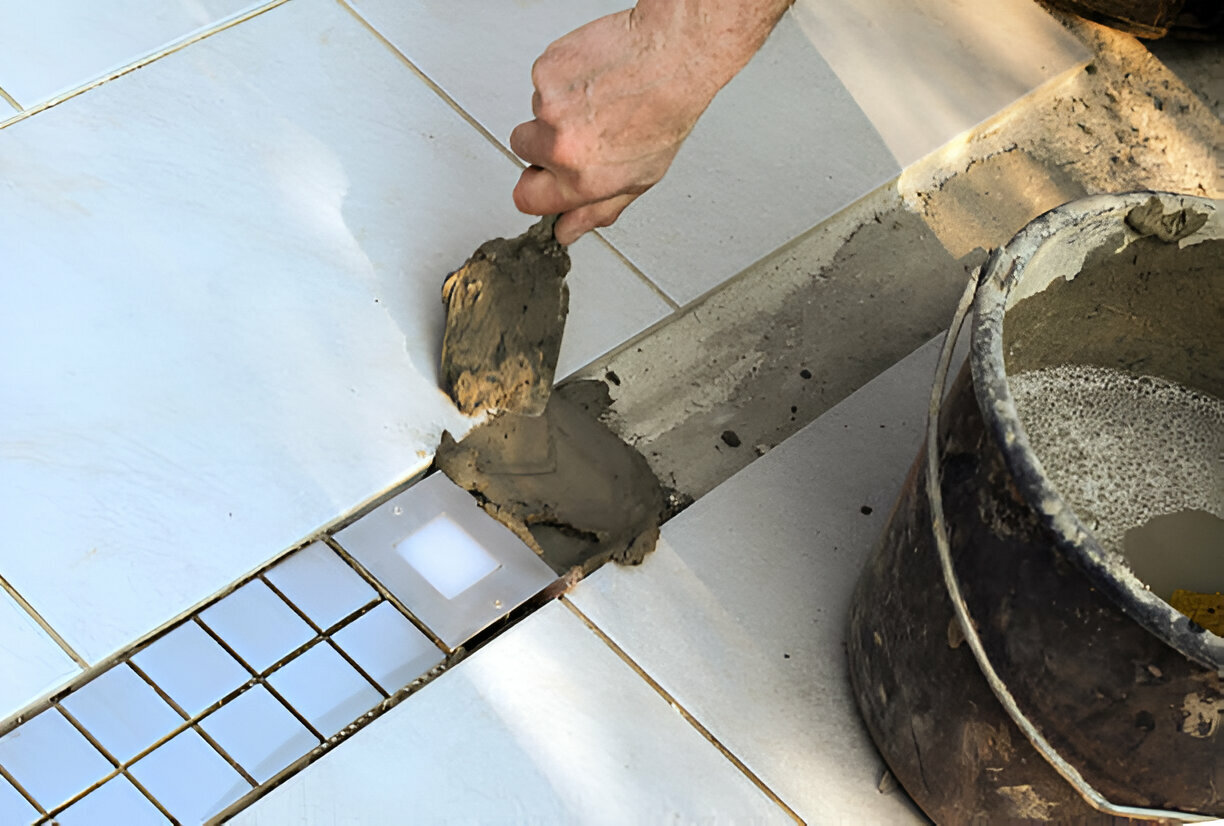
Grout, mortar, and thinset are three essential materials used in construction, flooring installation and renovation projects, each serving a distinct purpose and applications.
Grout fills the gaps between tiles, providing structural support, while mortar and thinset are adhesives for setting tiles. The main difference is that mortar is thicker and mostly used in masonry construction or for installing larger tiles on uneven surfaces, while thinset is a thinner, smoother adhesive ideal for most tile installations on flat surfaces.
In this blog post, we’ll discuss what grout, mortar, and thinset are, their uses, benefits, and finally, provide a comparative table to distinguish between them.
What is Grout?
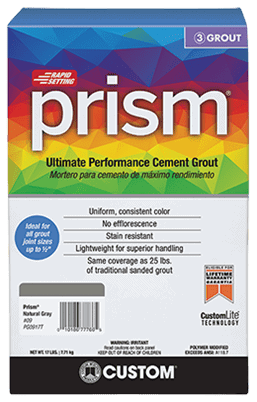
Grout is a mixture of cement, water, and sometimes sand, added to fill the gaps between tiles, stones, or masonry. Grout comes in various forms, including sanded and unsanded, with different formulations tailored for specific applications.

Uses of Grout:
- Tile Installation: Grout is primarily used to fill the joints between tiles, providing structural support and enhancing the aesthetics of the tiled surface.
- Sealing: Grout helps seal the gaps between tiles, limiting moisture intrusion, and inhibiting the growth of mold and mildew.
Benefits of Grout:
Durability: Grout provides essential structural support to tiled surfaces. It fills the gaps between tiles, preventing movement and reducing the risk of cracking or chipping.
Aesthetic Enhancement: Grout comes in different colors and shades and offers significant aesthetic flexibility in tile installations. It can be color-matched to blend seamlessly with tiles for a uniform look, or contrasted to create distinct patterns and visual interest.
Tile Factory Direct is your one-stop shop for top-notch tile installation materials. We offer a diverse range of premium products and expert advice to help your tiling project shine.
What is Mortar?
Mortar is a mixture of cement, sand, and water used to bond bricks, stones, or other materials together in masonry construction. It serves as the adhesive that holds masonry units in place, providing structural integrity and stability to walls, chimneys, and other structural elements.

Uses of Mortar
- Bricklaying: Mortar is essential for laying bricks and blocks in construction projects, providing the necessary bond between individual units.
- Repair Work: Mortar is also used for repairing and repointing masonry structures, filling in cracks and gaps to restore structural integrity.
- Decorative Work: Colored mortar can be used to add aesthetic appeal to masonry projects, enhancing their visual impact.
Benefits of Mortar:
- Strength: Mortar forms a strong bond between masonry units, ensuring the stability and longevity of the structure.
- Flexibility: Mortar can accommodate slight movements and settlement in masonry structures, preventing cracks and structural failure.
- Weather Resistance: Properly mixed and applied mortar provides protection against the elements, including rain, wind, and temperature fluctuations.
Check out our guide on how to elegantly finish tile edges. This guide will to help you master the art of perfecting those crucial details, ensuring your tiling project achieves a polished, professional look.
What is Thinset?
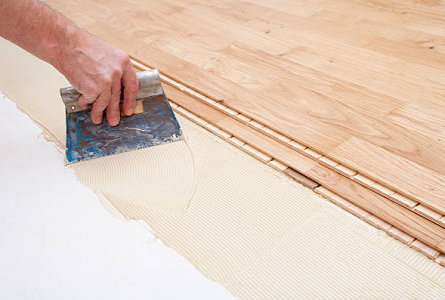
Thinset, also known as thinset mortar or tile adhesive, is a cement-based adhesive used for attaching tiles to substrates such as concrete, cement board, or plywood. Unlike traditional mortar, thinset has a finer consistency and is specially formulated to provide a strong, durable bond between tiles and substrates.
Uses of Thinset:
- Tile Installation: Thinset is primarily used to adhere tiles to floors, walls, and other surfaces, creating a secure bond that withstands daily wear and tear.
- Backsplash Installation: Thinset is commonly used for installing tile backsplashes in kitchens and bathrooms, providing a reliable adhesive for vertical surfaces.
- Outdoor Projects: Some types of thinset are suitable for outdoor tile installations, offering weather-resistant properties for exterior applications.
Benefits of Thinset:
- Adhesive Strength: Thinset forms a strong bond between tiles and substrates, ensuring long-lasting adhesion even in high-traffic areas.
- Versatility and Flexibility: Thinset is highly versatile, suitable for a wide range of tile materials including ceramic, porcelain, and natural stone. Thinsets remain flexible after curing, allowing for slight movements and preventing tiles from cracking or dislodging.
Grout vs. Mortar vs. Thinset: A Comparative Table
| Aspect | Grout | Mortar | Thinset |
|---|---|---|---|
| Composition | Cement, water, sand (optional) | Cement, sand, water | Cement, sand, additives |
| Purpose | Fill joints between tiles | Bond bricks, stones, or masonry units | Adhere tiles to substrates |
| Consistency | Paste-like, flowable | Thick, sticky | Paste-like, spreadable |
| Application | Filling the Gaps between Tiles | Bricklaying, repair work, decoration | Tile installation, backsplashes, outdoor projects |
| Use Cases | Bathroom floors and walls, kitchen backsplashes | Building walls, chimneys, patios | Flooring, walls, countertops |
| Joint Width Range | Typically 1/8 inch to 1/4 inch | Typically 3/8 inch to 1 inch | Depends on tile size and type |
| Reinforcement | Can be enhanced with polymer additives | May include lime or additives for specific purposes | May include latex for improved flexibility and strength |
| Strength | Generally lower compared to mortar | High compressive and bond strength | High bond strength, tailored for tile adhesion |
| Flexibility | Minimal, prone to cracking | Moderate, can accommodate slight movements | Flexible, accommodates expansion and contraction |
| Water Resistance | Provides water-resistant seal between tiles | Some formulations offer waterproofing properties | May offer waterproofing properties depending on type |
| Color Options | Wide range of colors available for aesthetic customization | Limited to natural gray or tinted variations | Limited color options, typically white or gray |
| Setting Time | Typically sets within 24 hours | Sets within 24 hours, curing time varies | Sets within 24 hours, curing time varies |
| Weather Resistance | Resistant to moisture and mold growth | Resistant to weather elements, including rain and frost | Weather-resistant, suitable for outdoor installations |
| Cost | Generally affordable, cost varies with type and brand | Cost varies with type, quality, and additives | Cost varies depending on quality and specific properties |
| Durability | Durable under normal conditions | Highly durable, withstands heavy loads and weathering | Durable, suitable for high-traffic areas and wet locations |
| Maintenance | Requires periodic cleaning and sealing | Minimal maintenance, occasional repointing may be necessary | Minimal maintenance, occasional regrouting may be needed |
Can you use mortar as Grout?
Mortar cannot be used as grout in tile installations. While both are cement-based products, they serve distinct purposes. Mortar is designed to adhere tiles to surfaces, whereas grout fills the gaps between tiles.
The thicker consistency of mortar makes it unsuitable for filling narrow joints, and it lacks the water resistance and flexibility of grout. Additionally, mortar shrinks more as it dries, potentially leading to cracks in the joints.
Grout also offers aesthetic advantages, including a smoother finish and a range of color options to complement your tiles. For a successful and durable tile installation, it’s crucial to use each product as intended: mortar for setting tiles and grout for filling joints.