Skip to content

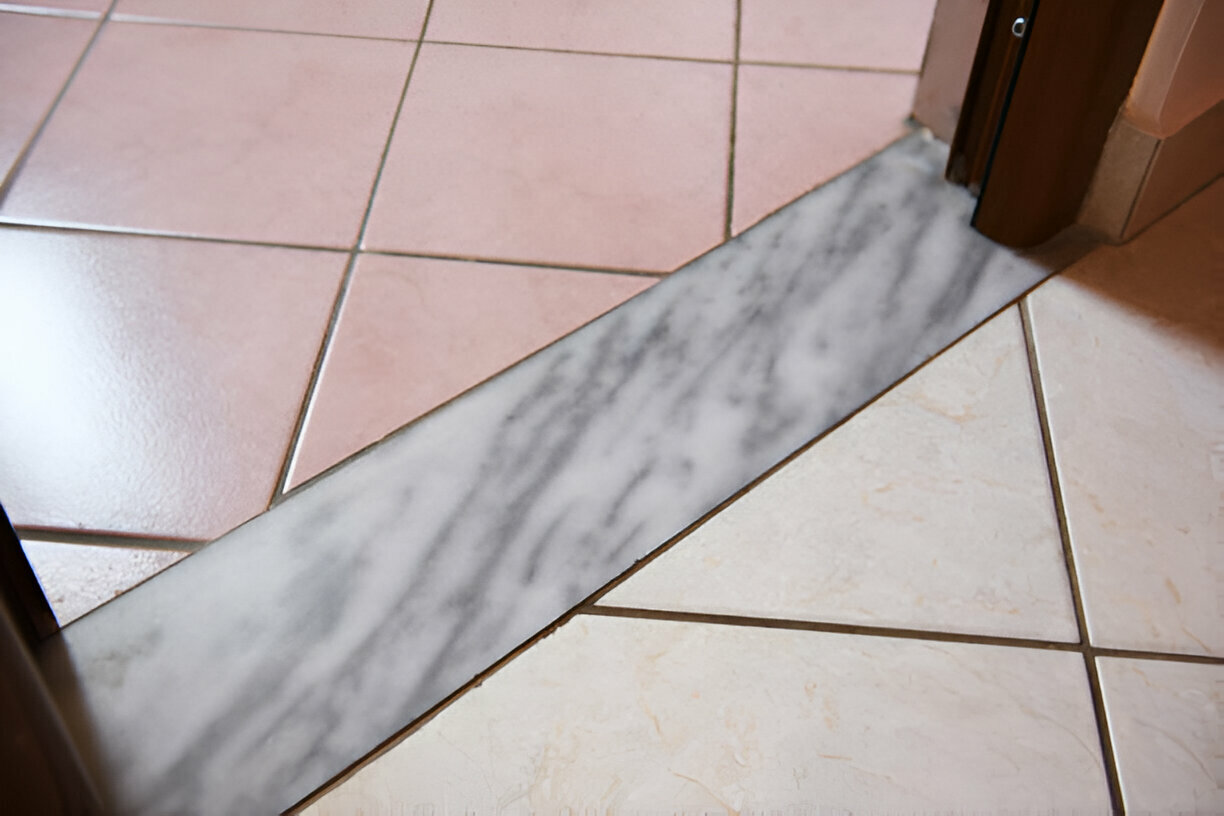
There are several tile edging options, each with its own advantages and suitable applications. These methods include bullnose tiles, metal edging, wood trim, and grout profiling.
Each method offers unique aesthetics and functionality, allowing for customization to suit the specific requirements of the project. Lets discuss these different finishing methods in detail to help you choose the most suitable option for your tiling project.
Shop Related Products

1. Finishing Tile Edges with Grout
Grout edging is a versatile and popular method for finishing tile edges that offers a seamless transition between tiles and a cohesive look to the overall installation. By using grout to finish edges, it’s possible to achieve a clean and uniform appearance that complements the tiled surface.
The application process typically involves carefully applying grout along the exposed edges of the tiles using a grout float or similar tool. Special attention is paid to ensure a smooth and consistent finish that blends seamlessly with the surrounding tiles.
Techniques such as tooling and shaping are employed to achieve precise edges and corners.
While grout edging is effective in providing a finished look, its durability can vary depending on factors such as grout quality, application technique, and exposure to moisture and wear.
Advantages of Grout Edging
- Properly applied grout can offer good resistance to moisture and staining, enhancing the longevity of the tiled surface. However, grout may be susceptible to cracking or crumbling over time, particularly in high-traffic areas or environments with significant temperature fluctuations.
- High-quality grout can contribute to the long-term performance of the finished edges.
Discover a wide selection of top-quality porcelain tiles at Tile Factory Direct, all at competitive prices.
2. Bullnose Tiles for Edge Finishing
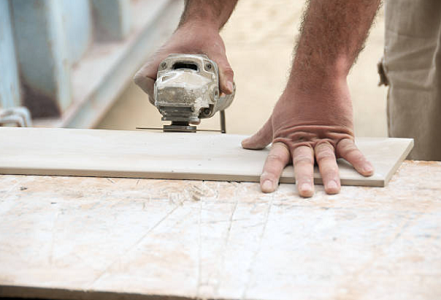
Bullnose tiles are specialized ceramic or porcelain tiles that are specifically designed for finishing tile edges. They feature a rounded edge, which provides a smooth transition from the face of the tile to the exposed edge, creating a polished and professional look.
Installing bullnose tiles involves affixing them to the exposed edges of the tiled surface using tile adhesive or thinset mortar. It is important to make sure everything is lined up and spaced perfectly to give it a really smooth finish. Grouting may be required to fill any gaps between the bullnose tiles and the adjacent tiles, further enhancing the appearance and durability of the edge finish.
Advantages of Bullnose Tiles
- They provide a clean and uniform edge that enhances the overall appearance of the tiled surface, giving it a polished and cohesive look.
- They offer protection against chipping and damage to the tile edges, prolonging the lifespan of the installation.
- Bullnose tiles are available in a variety of colors, sizes, and materials, allowing for customization to suit the aesthetic and functional requirements of the project.
3. Wooden Trim for Tile Edges
Using wood trim pieces for tile edges provides a unique and stylish alternative to traditional finishing methods. These trim pieces, typically made from hardwoods like oak or maple, offer a warm and natural accent that can complement various tile designs and interior styles.
Wood trim can be applied to tile edges in various ways, such as bullnosing the wood to create a rounded edge or using straight-cut pieces for a more contemporary look. Additionally, wood trim can be stained or painted to match or contrast with the tile, allowing for customization to suit the desired aesthetic.
When installing wood trim for tile edges, it’s essential to consider several factors to ensure a successful and long-lasting result. Proper preparation of the substrate, including smoothing any rough edges or uneven surfaces, is crucial to achieving a seamless transition between the tile and wood trim. Installation methods may vary depending on the type of trim used, but typically involve adhering the wood trim to the tiled surface using construction adhesive or finishing nails. Additionally, sealing the wood trim with a clear finish can help protect it from moisture and wear, prolonging its lifespan and maintaining its appearance over time.
Advantages of Wooden Trim Tile Edges
- Wood trim for tile edges offers exceptional aesthetic appeal, adding warmth, texture, and visual interest to tiled surfaces. The natural beauty of wood can enhance the overall design of a space, creating a sense of warmth and sophistication.
- They allow for easy customization, as it can be stained, painted, or even carved to create unique patterns and designs.
However, it’s essential to consider the maintenance requirements of wood trim, as it may require periodic refinishing or sealing to preserve its appearance and protect it from moisture damage.
4. Rail Molding for Edge Finishing
Installing rail molding involves affixing the molding to the edge of the tiled surface using adhesive or mortar. Measuring and cutting the molding carefully is important to get a perfect fit and a seamless transition between pieces. Installation techniques may vary depending on the specific design of the rail molding, but typically involve securing the molding in place and grouting any gaps between the molding and the adjacent tiles.
Rail molding is a type of trim used for edge finishing in tile installations. It typically features a rounded or angled profile and is designed to provide a smooth transition between the tiled surface and adjacent materials, such as walls or countertops.
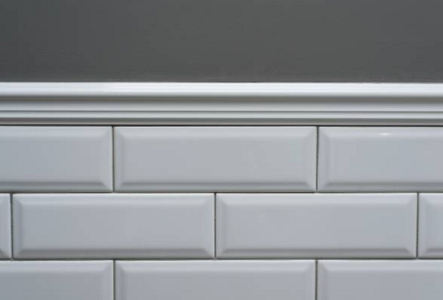
Rail molding is commonly made from materials like ceramic, porcelain, or natural stone, offering durability and aesthetic versatility to complement various tile designs and styles.
Advantages of Rail Molding
- Rail molding provides an effective and visually appealing solution for edge finishing, offering a polished and professional look to tiled surfaces.
- It is available in a wide range of designs, sizes, and materials, allowing for customization to suit the aesthetic preferences and functional requirements of the project.
5. Metal Profiles for Tile Edging
Metal profiles for tile edging come in various types, each serving specific purposes and providing distinct aesthetic options. Common types include L-shaped profiles, round profiles, and square profiles.
L-shaped profiles are typically used for straight edges, while round profiles offer a softer transition. Square profiles provide a modern, sleek look and can be used for both straight and curved edges.
These metal profiles are available in materials such as aluminum, stainless steel, and brass, offering different levels of durability and aesthetic appeal.
Installing metal profiles for tile edging requires specific techniques and tools to ensure a professional finish. Firstly, the tile surface must be prepared, ensuring it is clean, level, and free of debris. Installation techniques vary depending on the type of profile and substrate. Common methods involve securing the metal profile in place using adhesive or screws, ensuring proper alignment and spacing. Specialized tools such as tile cutters, miter saws, and angle grinders may be required to cut and shape the profiles to fit corners and curves accurately. Careful attention to detail during installation is essential to achieve a seamless transition between the metal profiles and the tiled surface.
Advantages of Metal Profile Tile Edging
- Metal profiles offer excellent durability and longevity, making them suitable for high-traffic areas and environments prone to moisture and wear.
- They provide a modern and sophisticated aesthetic that complements various tile designs and styles. They can enhance the overall appearance of tiled surfaces, adding visual interest and architectural detail.
It’s essential to consider factors such as the finish of the metal profile, as well as its compatibility with the surrounding materials and decor. Proper maintenance, including regular cleaning and inspection for any signs of damage or corrosion, can help preserve the appearance and performance of metal profiles for years to come.
Check out our detailed guide on How to install Porcelain Tiles
6. Painting to Hide Unfinished Tile Edges
Painting tile edges is a cost-effective way to hide unfinished tile edges. You can grab some oil-based enamel paint that matches the style of the surrounding tiles and use that to paint the edges.
To paint tile edges start by cleaning thoroughly to remove any dirt, grease, or residue. Then, lightly sand the edges to create a smooth surface and help the paint adhere. Use painter’s tape to mask off adjacent surfaces and protect them from paint splatter. Finally, apply a high-quality primer designed for use on tile surfaces to ensure proper adhesion and durability.
To achieve a professional finish when painting tile edges, use high-quality paint specifically formulated for use on tiles. Apply the paint evenly using a small brush or foam roller, working in thin coats to prevent drips and streaks. Allow each coat to dry completely before applying the next one, and follow the manufacturer’s instructions regarding drying times and recoating. Once the final coat is dry, carefully remove the painter’s tape to reveal clean, crisp edges. For added protection and longevity, consider applying a clear sealant over the painted edges to help prevent chipping, scratching, and fading over time.
7. Custom Edge Finishing Techniques
Custom edge finishing techniques offer a plethora of creative options to personalize tiled surfaces and enhance their aesthetic appeal. Some innovative approaches include mosaic borders, decorative inserts, hand-painted designs, and textured or embossed finishes. These custom finishes allow for artistic expression and can be tailored to suit various design themes and preferences, from contemporary and minimalist to eclectic and traditional.
Both do-it-yourself (DIY) approaches and professional services are available for implementing custom edge finishing techniques. DIY enthusiasts can explore a wide range of materials and methods to craft distinctive edge treatments. For instance, they can use ceramic or glass tiles to create mosaic borders or employ stencils and paint to achieve intricate designs. There are numerous examples and sources of inspiration available online and in design magazines, highlighting the limitless potential for unique edge finishes and providing ideas for creating personalized tiled surfaces.
Why is finishing Tile Edges Important?
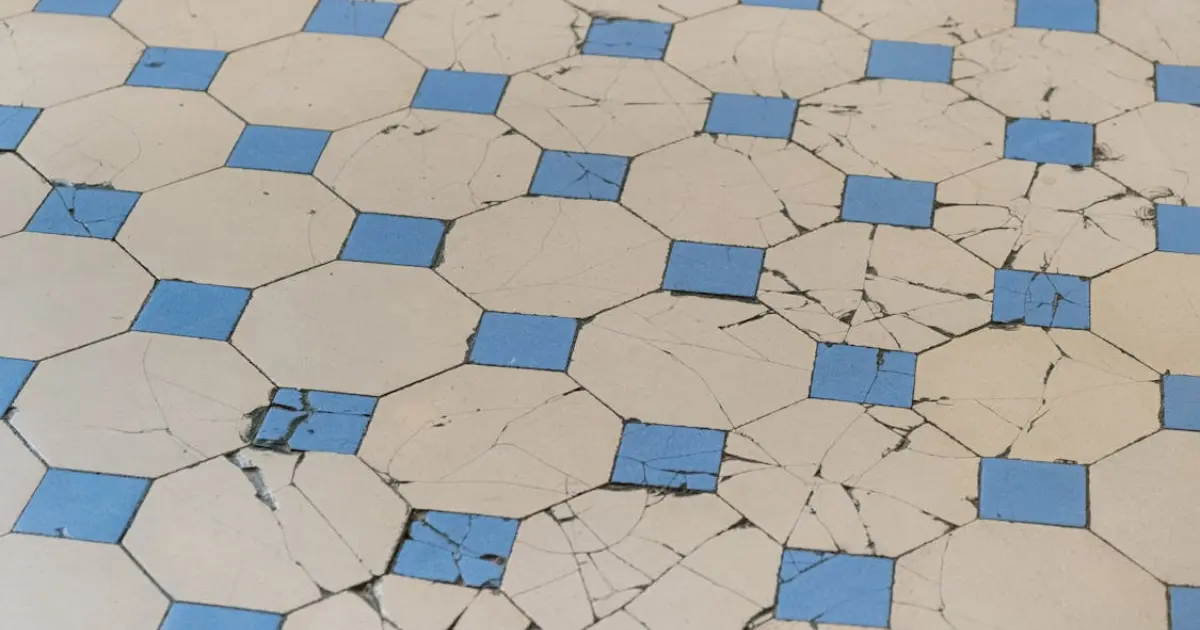
Finishing tile edges is a crucial step in any tiling project for both aesthetic and functional reasons. Properly finished edges not only enhance the overall appearance of the tiled surface but also provide protection against chipping, cracking, and moisture penetration. Neglecting to finish tile edges can result in an unfinished or unprofessional look that detracts from the beauty and longevity of the installation.
Check out High Quality Tile Installation Tools that you will need for a tile edging project