Skip to content


When undertaking a tiling project, selecting the appropriate grout is a crucial decision that can significantly impact both the aesthetics and durability of your installation. Grout serves not only to fill the gaps between tiles but also to enhance the overall appearance of the tiled surface and to protect the substrate from moisture and dirt.
The right grout can prevent issues such as cracking, discoloration, and mold growth, ensuring that your tiling remains attractive and functional for years to come.
Different Types of Grout
Sanded Grout
Sanded grout contains fine sand particles and is ideal for wider grout lines (1/8 inch or more). It’s durable and resistant to shrinkage, making it perfect for floor tiles and high-traffic areas. Best used with porcelain, ceramic, and stone tiles in spaces like kitchens and bathrooms.
Unsanded Grout
This smooth grout is best for narrow grout lines (less than 1/8 inch). It’s less likely to scratch delicate tile surfaces, making it ideal for polished marble, glass tiles, and other soft materials. Commonly used in vertical applications like backsplashes and shower walls.
Epoxy Grout
Epoxy grout is highly durable, stain-resistant, and waterproof. It’s perfect for areas exposed to chemicals, moisture, or heavy use. While more expensive and challenging to apply, it’s excellent for commercial kitchens, swimming pools, and other demanding environments.
Polymer-Modified Cement Grout
This grout combines cement with polymer additives for improved flexibility and reduced water absorption. It offers better stain resistance than standard cement grouts and is less prone to cracking. Suitable for both indoor and outdoor applications, it’s a versatile choice for various tile projects.
What is the best grout type for porcelain tile?
Epoxy grout is generally considered the best option for porcelain tile due to its superior durability, stain resistance, and waterproof properties. It’s particularly well-suited for high-traffic areas, kitchens, bathrooms, and outdoor installations where moisture and staining are concerns.
However, for less demanding residential applications, a high-quality, polymer-modified cement grout can be a more cost-effective and easier-to-apply alternative. In areas with wider grout lines (1/8 inch or more), sanded grout provides excellent durability and resistance to shrinkage. For installations with narrow grout lines or when working with polished porcelain, unsanded grout may be preferable to avoid potential scratching of the tile surface.
Grout is porous by nature, which makes it susceptible to absorbing spills and dirt, leading to discoloration and stains over time. To combat this, choosing a grout with inherent stain-resistant properties, such as epoxy grout, can be highly beneficial. Epoxy grout is non-porous, which prevents liquids and dirt from penetrating its surface, making it far less likely to stain compared to traditional cementitious grout. For those using cement-based grout, applying a high-quality sealant can significantly enhance its stain resistance, helping to maintain its appearance and reduce the frequency of deep cleaning required.
How to pick grout color
When choosing grout color, the decision between matching and contrasting colors can dramatically influence the final appearance of your tiling project.
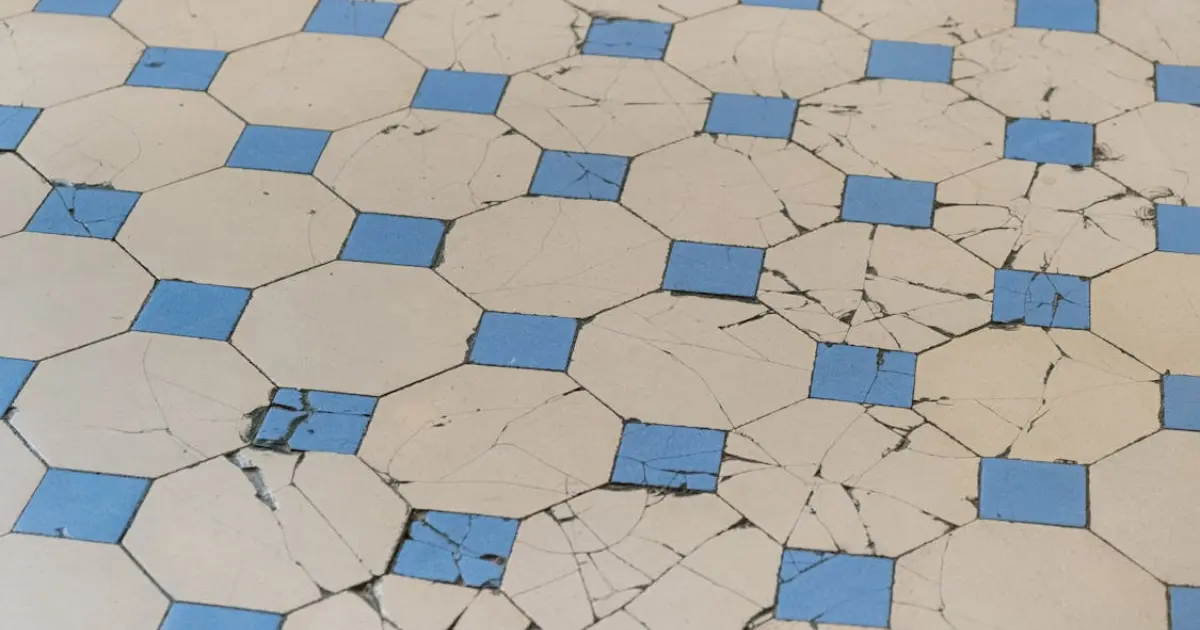
Matching grout colors create a seamless, unified look, making the tiles the focal point by blending the grout lines into the background. This approach is particularly effective when using intricate or patterned tiles, as it maintains the visual continuity and highlights the tile design without interruption.
On the other hand, contrasting grout colors can add depth and dimension, emphasizing the shape and layout of the tiles. This method works well with simple, solid-colored tiles, creating a striking and dynamic effect that draws attention to the geometric patterns formed by the grout lines.
However, it’s important to consider the overall design scheme and the desired effect; while matching colors offer subtle elegance, contrasting colors can inject a bold, modern flair into the space.

Check out Best Quality porcelain tiles at Tiles Factory Outlet for competitive prices.
Choosing the Grout Width
The width of grout joints, whether narrow or wide, plays a significant role in both the durability and appearance of a tiled surface.
Narrow joints, typically less than 1/8 inch, create a sleek, modern look that emphasizes the uniformity of the tile installation. They are often used with rectified tiles, which have precisely cut edges allowing for minimal spacing. While narrow grout lines offer a clean and contemporary aesthetic, they can be more challenging to install and may require more precise cutting and placement of tiles. Additionally, narrow joints might be less forgiving to slight variations in tile size and alignment.
Conversely, wide joints, generally 1/8 inch or more, provide a more traditional or rustic appearance, giving the tiles a distinct, separated look that can enhance the texture and depth of the installation. Wide grout lines can accommodate irregularities in tile size and shape, making them suitable for handmade or natural stone tiles that may vary slightly.
From a durability standpoint, wider grout lines can offer better flexibility and accommodate movement in the substrate, reducing the risk of cracks over time. However, they may require more grout and, consequently, more maintenance to prevent staining and discoloration.
Shop High quality Grout and Other flooring installation tools at tile factory outlet.