Skip to content


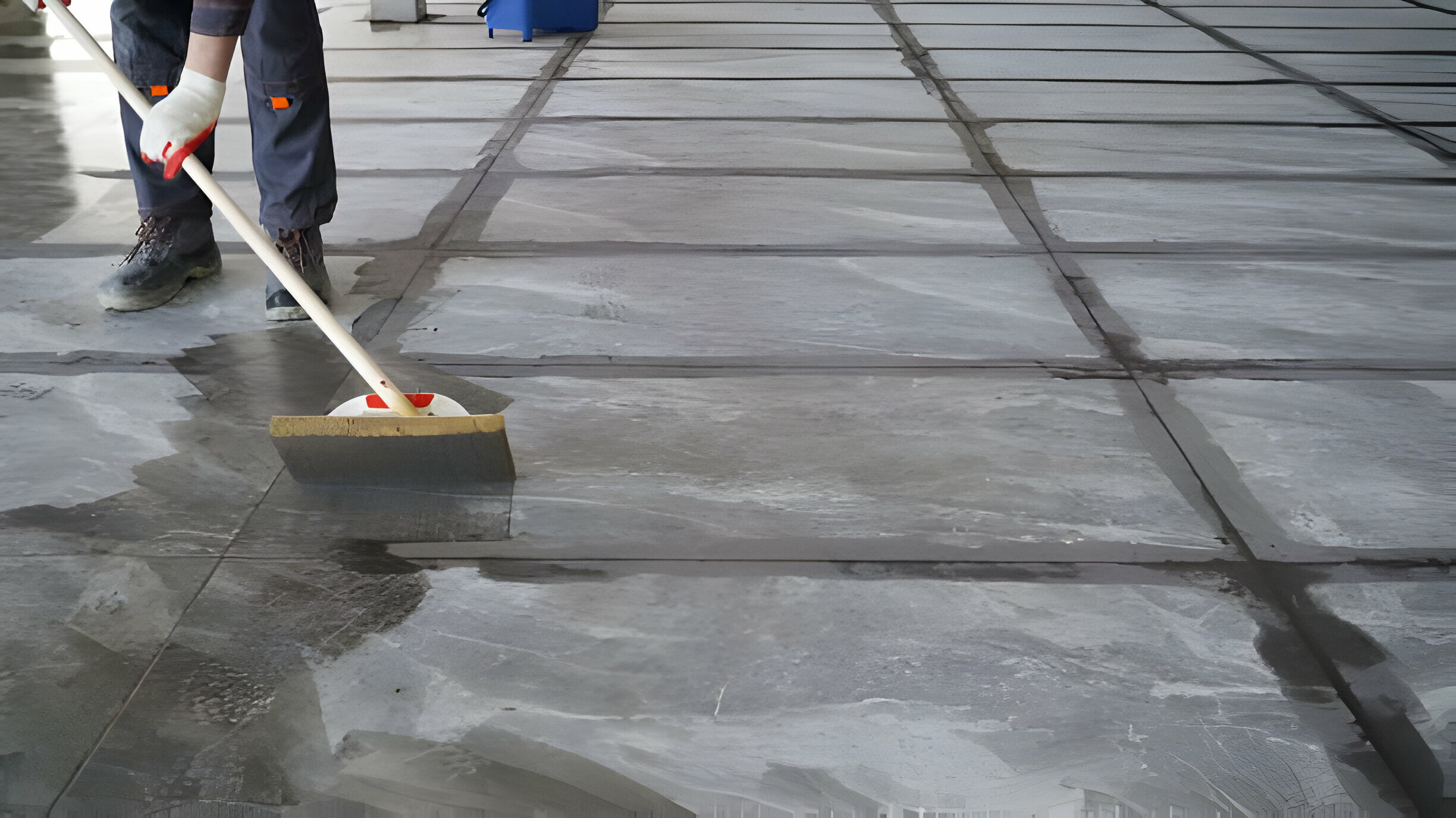
The cleaning process for porcelain tiles typically involves several steps to effectively remove dirt, stains, and grime while preserving the fresh look of the tiles.
These steps include sweeping to remove loose debris, mopping with a mild detergent solution to lift dirt and stains, and rinsing with clean water to remove soap residue.
In some cases, specialized cleaning products or techniques may be required to tackle stubborn stains or deep-seated dirt. Additionally, proper maintenance practices such as sealing grout lines and avoiding abrasive cleaners can help to prolong the life and beauty of porcelain tiles.
What You need to Clean Porcelain Tiles
- Microfiber mop
- Vacuum cleaner or Broom
- Bucket
- Soft-bristled brush
- Warm water
- Microfiber cloths
- Baking soda (For Deep Cleaning)
- White vinegar (For Deep Cleaning)
- Grout cleaner (For Deep Cleaning)
Step by Step Guide to Clean Porcelain Tiles
1. Get rid of all dust with Vacuum or Broom
To start the cleaning process for porcelain tiles, the first step is to eliminate all dust and loose debris from the surface. Dust and debris can accumulate on tiles, particularly in high-traffic areas and corners.
To remove dust effectively, begin by using a broom or vacuum cleaner with a soft brush attachment. Sweep or vacuum the entire area, paying close attention to corners, edges, and grout lines where dust tends to accumulate.

2. Mopping with a cleaning solution and hot water
Choose a mild detergent or a specialized tile cleaner designed for use on porcelain tiles for mopping. Dilute the cleaner in hot water according to the manufacturer’s instructions.
Begin mopping the tiles in small sections, working methodically from one end of the room to the other. Use overlapping strokes to ensure complete coverage and pay particular attention to high-traffic areas and spots prone to spills or stains.
As you mop, periodically rinse the mop in clean water to remove dirt and grime that may accumulate. Avoid using too much water on the tiles, as excessive moisture can lead to streaks or water spots.
Once you have mopped the entire surface, allow the tiles to air dry or use a clean, dry towel or mop to remove any remaining moisture. This step helps to ensure that the porcelain tiles are thoroughly cleaned and free from any residue, leaving them looking fresh and revitalized.
Dont use abrasive scrubbing pads or brushes for mopping as these can scratch the tile surface, leading to visible damage over time.

3. Final drying and buffing
After mopping the porcelain tiles with a cleaning solution and hot water, the final step in the cleaning process is to ensure thorough drying and buffing. Begin by using a clean, dry towel or a microfiber cloth to wipe down the surface of the tiles. Pay special attention to grout lines and areas where water may have pooled during mopping.
Once the tiles are dry, you can optionally buff them with a dry cloth to restore their shine and luster. Buffing the tiles enhances their appearance and ensures a polished finish. Use gentle circular motions with the cloth to buff the tiles evenly, working in small sections across the surface.
This final step adds the finishing touch to the cleaning process, leaving your porcelain tiles looking clean, shiny, and rejuvenated.
Best Cleaners for Porcelain Tiles to get rid of hard stains
The best cleaner to get rid of stubborn stains on Porcelain tile is is a solution of equal parts white vinegar and warm water. This is especially effective in areas stained with hard water. When dealing with tougher stains like coffee or wine marks, use a paste made from baking soda and water.
For polished or glazed tiles it’s best to use Specialized porcelain tile cleaners as Vinegar can fade the glossy look of glazed tiles. Always follow the manufacturer’s guidelines while cleaning for best results.
Avoid using harsh, acidic cleaners, abrasive scrubbers, or oil-based products, for cleaning porcelain tiles as these can damage the tile surface or leave residue. Steer clear of ammonia-based cleaners, which can discolor grout, and never use products containing hydrofluoric acid, which can etch porcelain. Always test any new cleaning solution on an inconspicuous area first.

How to Clean Porcelain Tiles Grout
The Grout lines between Porcelain tiles can become dirty over time and it is important to clean them properly to maintain the fresh look of tiles.
1. Regular Cleaning
Start by sweeping or vacuuming the grout lines to remove surface dirt and debris. This prevents dirt from embedding into the grout.
2. Use a Grout Cleaner
Apply a specialized grout cleaner or a mixture of baking soda and water directly onto the grout lines. Use a small brush with stiff bristles or an old toothbrush to scrub the grout gently.
3. Rinse and Dry
After scrubbing, rinse the area with clean water to remove any cleaner residue. Dry the grout lines thoroughly with a clean cloth to prevent mold growth or water stains.
4. Seal the Grout (Optional)
Consider sealing the grout lines once they are clean and dry. Grout sealer helps protect against future stains and makes ongoing maintenance easier.

Additional Tips for Cleaning Porcelain Tiles
1. Preventive Measures to Keep Tiles Clean
To maintain the cleanliness and longevity of porcelain tiles, consider implementing preventive measures to minimize dirt buildup and stains. One effective strategy is to place doormats at entryways to trap dirt and debris from shoes before it reach the tiles.
Using coasters under beverage containers and mats under heavy furniture can prevent scratches and stains on the tiles.
Promptly wiping up spills and avoiding harsh chemicals can preserve the appearance of porcelain tiles over time.
2. Dealing with Hard Water Stains
Hard water stains can mar the appearance of porcelain tiles, leaving behind unsightly white or chalky residue. To combat these stains, consider using a solution of equal parts water and white vinegar.
Apply the solution to the affected areas and allow it to sit for several minutes to dissolve the mineral deposits. Then, gently scrub the stains with a soft-bristled brush or a damp cloth. Rinse the area thoroughly with clean water and dry it completely to prevent water spots.
3. Restoration and Polishing Techniques
Over time, porcelain tiles may lose their shine and develop scratches or dull spots. You can use a porcelain tile polish or sealer to restore the shine and luster of porcelain tiles. These products can help rejuvenate the appearance of the tiles while providing a protective barrier against stains and wear.
4. Disinfecting Tiles
After cleaning with warm water and mild detergent, apply a recommended disinfectant solution. Follow manufacturer guidelines for proper dilution and contact time. Rinse thoroughly with water and dry with a soft cloth to prevent water spots and maintain the tiles’ shine.
Disinfecting helps eliminate germs, bacteria, and viruses, ensuring a cleaner and healthier living space while preserving the tiles’ appearance and longevity.
At Tile Factory Direct we offer wide range of high-quality porcelain tiles at competitive prices. Our commitment to customer satisfaction and expertise in the tile industry make us a trusted source for premium porcelain tiles.
FAQs
How Often Should You Be Cleaning Porcelain Tile?
To maintain porcelain tile’s cleanliness and appearance, clean with a mild detergent and hot water every 4-5 days. For deeper cleaning, use vinegar or specialized cleaners once a month. This routine helps prevent dirt buildup, maintains hygiene, and preserves the tiles’ longevity and luster.
Is porcelain tile hard to maintain?
No, porcelain tile is not hard to maintain compared to other flooring options. It is relatively low-maintenance due to its durability and resistance to stains, moisture, and wear. Regular sweeping and occasional mopping with mild detergent suffice for routine upkeep