Skip to content

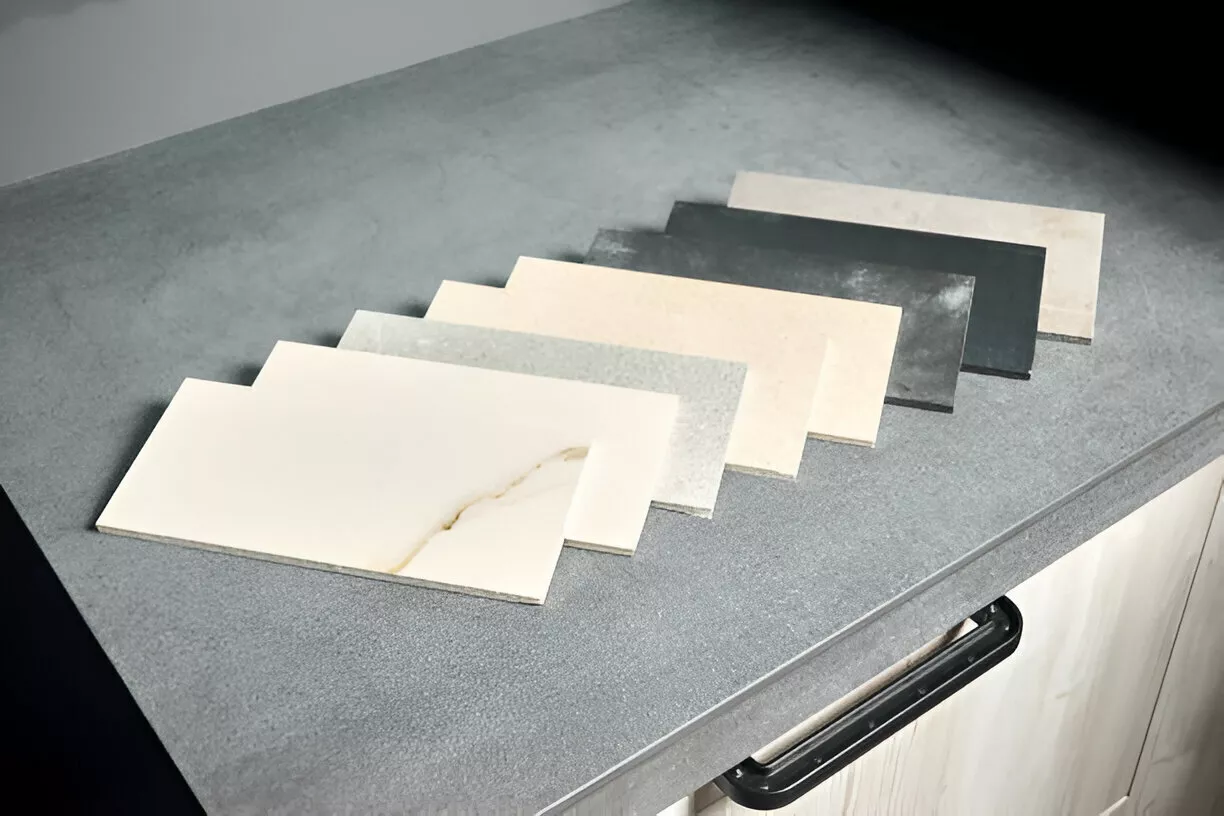
The main difference between porcelain and ceramic tiles lies in their composition and manufacturing process. Porcelain tiles are made from finer, denser clay and fired at higher temperatures, resulting in a harder, less porous, and more durable product ideal for high-traffic areas. Ceramic tiles, while also clay-based, are less dense and more porous, making them more suitable for wall applications and lower-traffic indoor spaces.
| Porcelain Tiles | Ceramic Tiles | |
|---|---|---|
| Composition | Dense clay, fired at high temperatures | Clay mixture, fired at lower temperatures |
| Cost | $3-$40 per sq ft | $1-$30 per sq ft |
| Best Suited For | High-traffic, moisture-prone areas, outdoors | Indoor, low-traffic areas – Best for walls |
| Life Span | 50+ years | 10-20 years |
| Water Resistance | Highly water-resistant | Moderately water-resistant when glazed |
| Installation | More difficult, often requires professionals | Easier, DIY-friendly |
| Visual and Aesthetics | Realistic mimicry of natural materials | Wide range of colors and patterns |
Understanding Porcelain Tiles
How is Porcelain Tiles Made?
Porcelain tiles are made from a fine, highly refined clay that is fired at extremely high temperatures ranging from 2200℉ to 2500℉. This high temperature removes most of the moisture content and makes porcelain tiles very hard and dense. The primary materials include:
- Kaolin clay
- Feldspar
- Silica
- Quartz
The manufacturing process of porcelain tiles involves several stages:
1. Mixing and Grinding: The raw materials are mixed and ground into a fine powder.
2. Forming: The powder is then shaped into tiles using a high-pressure hydraulic press, which compacts the materials to create a dense and uniform tile.
3. Drying: The formed tiles are dried to remove any remaining moisture.
4. Firing: The tiles are fired in a kiln at temperatures ranging from 2,200 to 2,500 degrees Fahrenheit (1,200 to 1,400 degrees Celsius). This high-temperature firing process vitrifies the tiles, making them extremely hard and non-porous.
5. Glazing (optional): Some porcelain tiles are glazed to add color, patterns, and an extra layer of protection. Glazing involves applying a glass-like coating and firing the tiles again.
The Pros of Porcelain Tiles
1. Density and Hardness: Porcelain tiles are denser and harder than standard ceramic tiles, making them more resistant to wear and tear.
2. Water Resistance: One of the standout features of porcelain tiles is their very low water absorption rate, typically less than 0.5%. This low porosity means that porcelain tiles are highly resistant to water and moisture, making them suitable for use in bathrooms, kitchens, and outdoor spaces. Their resistance to water also makes them less prone to staining and easier to clean and maintain.
3. Durability: Porcelain tile are highly durable and can easily last for 50 years or more. The high-pressure and high-temperature manufacturing process creates a tile that is extremely tough and resistant to cracking, chipping, and scratching. This makes porcelain tiles an excellent choice for areas that experience heavy foot traffic, such as hallways, kitchens, and commercial spaces.
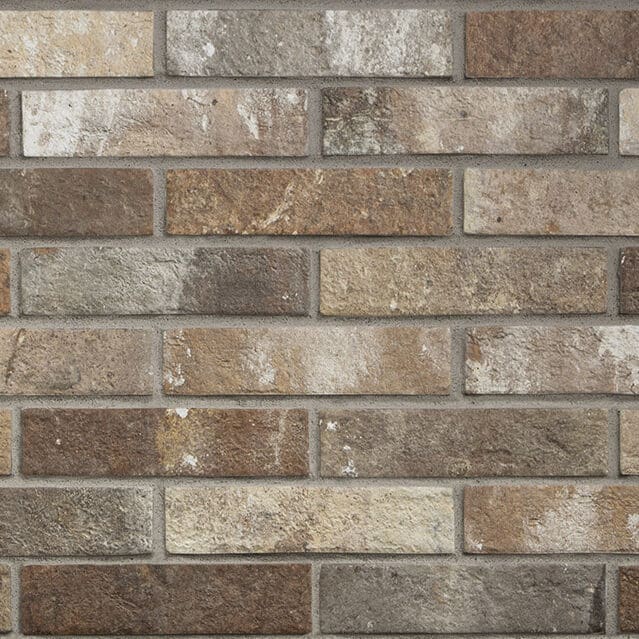
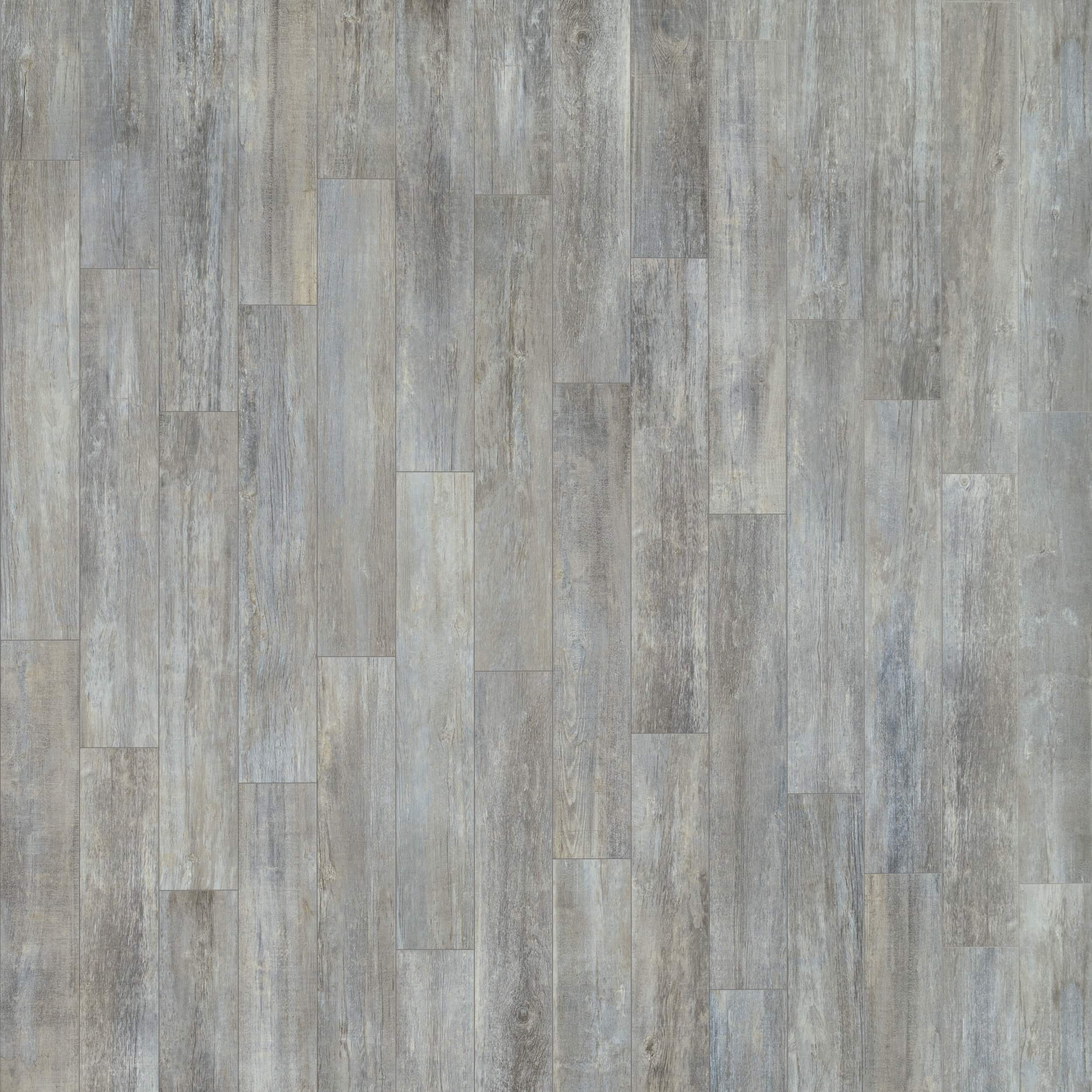
4. Style and Finishes: Porcelain tiles offer a wide range of style options and finishes, including realistic wood look, marble look, stone look, brick look and more. These tiles can accurately mimic natural materials while providing superior durability.
The Disadvantages of Porcelain Tiles
1. Expensive: Porcelain tiles are expensive compared ceramic tiles due to their superior quality and manufacturing process. They also requires specialized adhesives and cutters so the installation cost is also quite high.
2. Installation is hard: Installing porcelain tiles can be more challenging due to their density and hardness. They require specialized tools for cutting and need experienced installers.
3. Slippery when wet: Porcelain tiles can become slippery when wet, especially if they have a smooth, polished surface. It’s better to choose textured or matte finish porcelain for better slip resistance in wet areas.
4. Quality Variation: While porcelain tiles are known for durability, quality can vary significantly between manufacturers. Lower-quality porcelain may not offer the same benefits as premium options, making it crucial to research and choose reputable brands for the best results.
If you’re in the market for porcelain tiles, consider visiting Tile Factory Direct for a wide selection of high-quality options at competitive prices, ensuring both durability and style for your space.
Understanding Ceramic Tiles
Ceramic tiles are made from a mixture of natural clay, sand, and water. The primary materials include:
- Red or white clay
- Sand
- Feldspar
- Other natural minerals
These ingredients are abundant and readily available, which contributes to the cost-effectiveness of ceramic tiles.
The manufacturing process of ceramic tiles involves several key steps:
1. Mixing and Grinding: The raw materials are mixed and ground into a fine slurry or powder.
2. Molding: The mixture is shaped into tiles using molds. The shaping process can be done using lower pressure compared to porcelain tile manufacturing.
3. Drying: The shaped tiles are dried to remove excess moisture.
4. Firing: The dried tiles are fired in a kiln at temperatures ranging from 1,800 to 2,000 degrees Fahrenheit (1,000 to 1,100 degrees Celsius), which is lower than the firing temperature for porcelain tiles.
5. Glazing (optional): Many ceramic tiles are glazed to add color, designs, and a protective layer. The glaze is applied before a second firing, which helps to seal the tile and enhance its appearance.
The Pros of Ceramic Tiles
1. Huge Versatility and Variety in Design: One of the standout features of ceramic tiles is their versatility and the vast variety of designs available. The glazing process allows manufacturers to produce ceramic tiles in numerous colors, patterns, and textures.
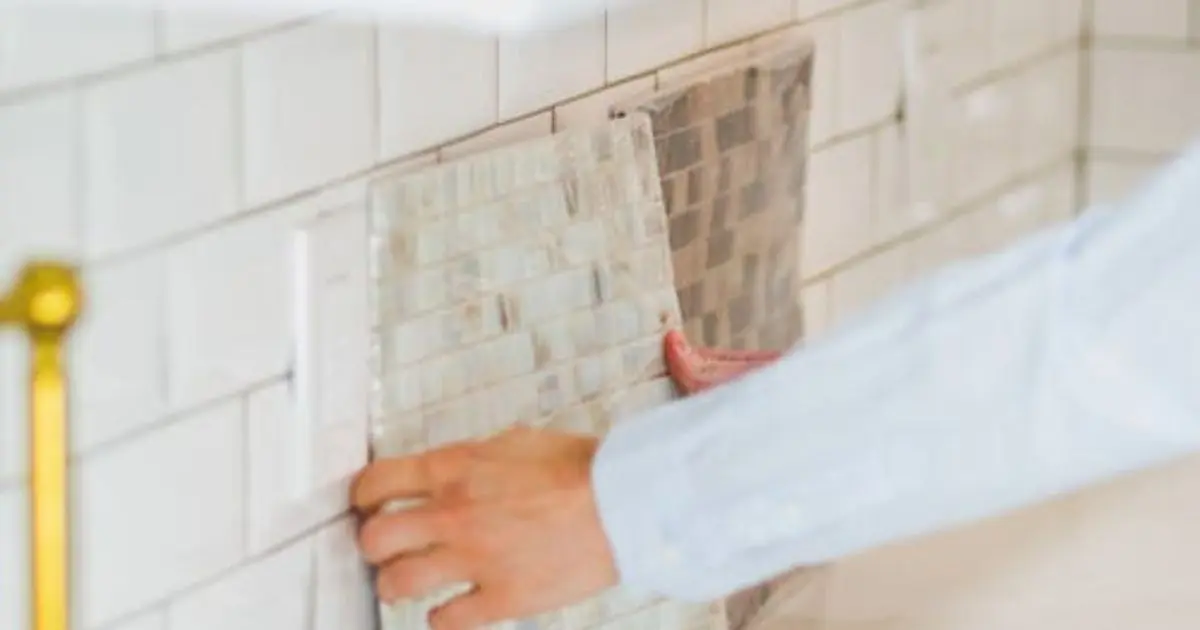
2. Ease of Cutting and Installation: Ceramic tiles are softer and more manageable to cut than porcelain tiles, which can be beneficial during installation. This ease of cutting allows for precise fitting and customization, making ceramic tiles a popular choice for DIY projects and complex layouts.
3. Cost-Effectiveness: Ceramic tiles are typically more affordable than porcelain tiles, both in terms of material costs and installation expenses.
The Disadvantages of Ceramic Tiles
1. Less Durable: Ceramic tiles are softer and less dense than porcelain, making them more prone to chipping, cracking, and wear over time.
2. More Porous: Due to their higher porosity, ceramic tiles are more susceptible to water absorption. This characteristic makes them less ideal for moisture-prone areas like bathrooms or kitchens.
3. Not for Heavy traffic: Ceramic tiles are not recommended for outdoor applications or commercial spaces with heavy foot traffic. They can’t withstand extreme weather conditions and may wear down quickly in high-traffic areas.
Comparison: Porcelain Tiles vs. Ceramic Tiles
What Looks more appealing?
When it comes to looks, both porcelain and ceramic tiles can be pretty impressive.
Porcelain often has the edge, though, as it can mimic natural materials like wood or stone more realistically. The manufacturing process allows for sharper, more detailed designs and a wider range of finishes.
That said, ceramic tiles still offer plenty of attractive options and can look fantastic, especially in more traditional or colorful designs. Ultimately, it comes down to personal preference – you can find stunning options in both materials.
What is the Difference in cost?
Ceramic tiles are affordable compared to porcelain tiles typically starting at $1 per square foot for basic styles and reaching up to $30 per square foot for high-end, designer tiles. Installation costs for ceramic tiles is also lower, averaging between $5 to $10 per square foot.
The cost of porcelain tiles typically range from $3 to $40 per square foot, depending on quality, design, and brand. In addition to the tile cost, installation and labor expenses generally fall between $10 to $15 per square foot, which should be factored into the overall project budget when considering porcelain tile flooring.
Maintenance and Cleaning
Both ceramic and porcelain tiles are pretty low-fuss, but there are some differences.
Porcelain is generally easier to maintain due to its lower porosity – it’s less likely to stain and can handle stronger cleaning products. Ceramic tiles need a bit more care, especially in wet areas, and might require regular resealing to prevent water damage.
For daily cleaning, both types can be swept and mopped easily. Just remember to go easy on ceramic with harsh cleaners, while porcelain can take a bit more scrubbing if needed.
How to Identify the difference between Porcelain and Ceramic Apart?
Porcelain tiles are usually denser and have a more consistent color throughout the tile – if you chip the edge, the color inside should match the surface.
Ceramic tiles often have a glazed top layer that might be different from the clay-colored body underneath.
Weight can be another giveaway – porcelain is typically heavier. If you’re still unsure, check the box or ask the seller – they should be labeled correctly. Remember, though, that high-quality ceramic can sometimes look very similar to porcelain, so don’t be afraid to ask for help identifying them!
Durability, Lifespan, and Water and Heat resistance
Porcelain tiles are better compared to ceramic tiles when it comes to durability and lifespan. They’re harder, denser, and can last for decades with proper care. Ceramic tiles are still pretty tough, but they might show wear sooner in high-traffic areas.
For water resistance, porcelain is the champ – it’s practically waterproof, making it great for bathrooms and outdoor spaces. Ceramic is water-resistant when glazed, but not as much as porcelain.
Both handle heat well, but porcelain’s density gives it a slight edge in extreme temperature changes.
Practical Applications and Use Cases of Porcelain Tiles
Porcelain tiles are ideal for a wide range of applications, especially in areas that experience heavy use and moisture exposure. Due to their high density and low water absorption rate, porcelain tiles are perfect for bathrooms, kitchens, and laundry rooms, where water resistance is crucial.
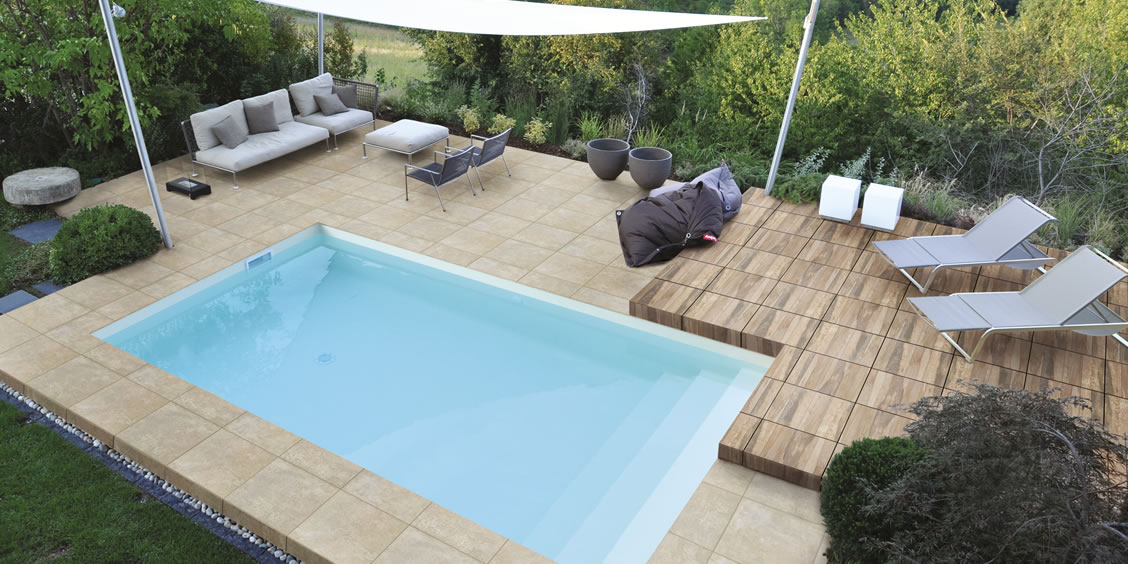
They are also well-suited for flooring in high-traffic areas such as entryways, hallways, and commercial spaces due to their ability to withstand wear and tear without showing signs of damage. Additionally, porcelain tiles are often used for outdoor applications like patios, terraces, and pool surrounds, thanks to their durability and resistance to frost and other weather conditions.
Their ability to mimic natural materials such as stone and wood makes them a popular choice for achieving a high-end look without the associated maintenance and cost.

Practical Applications and Use Cases of Ceramic Tiles
Ceramic tiles, with their affordability and wide range of design options, are a favorite for residential applications where aesthetics and budget are key considerations.
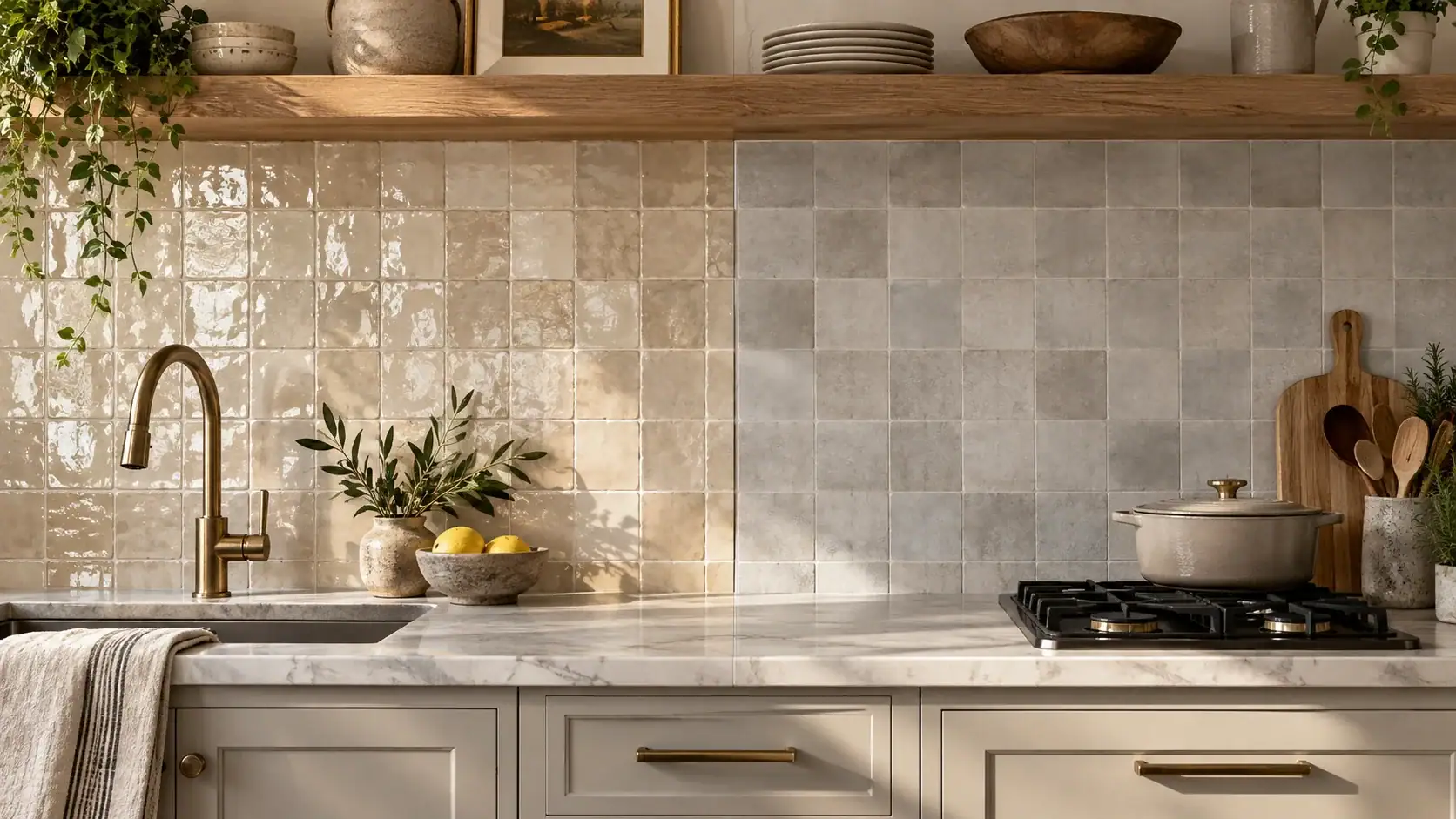
They are commonly used for wall applications, including kitchen backsplashes and bathroom walls, where their diverse colors, patterns, and textures can add significant visual interest.
While ceramic tiles can also be used for flooring, they are best suited for low to moderate traffic areas, such as bedrooms, living rooms, and dining areas, where the risk of heavy wear is lower. Their ease of cutting and installation makes them an excellent choice for DIY projects and intricate designs, including mosaics and custom layouts.


Final Verdict
The final choice between porcelain vs ceramic tiles depends on your specific needs and where you want to install them. For high-moisture areas, heavy traffic, or outdoor use, porcelain is often the better choice due to its durability and water resistance. Ceramic tiles work well for indoor spaces with less wear and tear, offering more design options at a lower cost.
For personalized advice, it’s best to consult with a flooring expert who can assess your unique situation and guide you to the most suitable option for your project. You can contact us for advise or visit Tile Factory Direct for a wide selection of high-quality tiles at competitive prices