Skip to content


In recent years, the importance of eco-friendly choices in home improvement has surged, reflecting a broader societal shift towards sustainability and environmental responsibility. As homeowners increasingly seek ways to reduce their carbon footprint and promote green living, the materials and methods they choose for renovations play a crucial role. Among these eco-friendly options, porcelain tiles have emerged as a popular and sustainable choice for flooring and other surfaces.
Porcelain tiles are an excellent choice for environmentally-conscious homeowners, offering a range of benefits including sustainable production processes, exceptional durability, and minimal maintenance requirements. These qualities make them both eco-friendly and practical for long-term use in various home applications.
The Eco-Friendly Advantages of Porcelain Tiles
1. Sustainable Manufacturing Processes and Abundant Raw Materials
Porcelain tiles have a completely sustainable manufacturing process and are made primarily from natural materials such as clay, feldspar, sand, and kaolin. These raw materials are abundant and can be sourced with minimal environmental disruption. Moreover, many manufacturers incorporate recycled content into their porcelain tiles, utilizing materials like recycled glass and post-consumer ceramics.
This practice not only reduces the demand for virgin raw materials but also helps to divert waste from landfills, making the production process more sustainable.
Energy efficiency is a critical aspect of the eco-friendly manufacturing of porcelain tiles. Modern kilns used in the firing process are designed to operate at lower temperatures and utilize advanced insulation techniques to reduce energy consumption. Additionally, many manufacturers have adopted renewable energy sources, such as solar or wind power, to run their production facilities. This shift towards renewable energy significantly lowers the carbon footprint associated with tile production.
The reduction of waste and emissions is another key focus in the sustainable manufacturing of porcelain tiles. Manufacturers strive to minimize waste through efficient production processes and the recycling of by-products. For instance, water used in the manufacturing process is often treated and reused, significantly reducing water consumption. Moreover, advancements in kiln technology have led to lower emissions of harmful gasses, such as carbon dioxide and sulfur oxides, contributing to cleaner air and a healthier environment.

2. Long-lasting durability reduces replacement frequency
Porcelain tiles are renowned for their exceptional durability and can easily last for more than 50 years without any wear and tear. These tiles are fired at extremely high temperatures, which results in a dense, hard surface that is resistant to scratches, stains, and moisture.
This robustness allows porcelain tiles to withstand heavy foot traffic, impacts, and wear and tear far better than many other flooring materials. Their resilience ensures that they maintain their aesthetic appeal and functional integrity over time, even in high-use areas like kitchens, bathrooms, and entryways.
The long lifespan of porcelain tiles significantly contributes to their sustainability. Because they are so durable, they need to be replaced far less frequently than other flooring options. This reduces the demand for new materials and the energy associated with manufacturing, transporting, and installing new tiles. Additionally, fewer replacements mean less waste going to landfills.
This extended lifecycle not only offers cost savings over time but also aligns with the principles of sustainable living by minimizing resource consumption and waste production.
3. Porcelain Tiles are non toxic and free of VOCs
Porcelain tiles offer non-toxic and hypoallergenic properties, making them a healthy choice for indoor environments. Unlike some flooring materials that can emit volatile organic compounds (VOCs) or other harmful substances, porcelain tiles are inert and free from such emissions, contributing to better indoor air quality.
Furthermore, porcelain tiles are resistant to mold, bacteria, and allergens, contributing to a healthier living environment. Their dense, non-porous surface prevents the absorption of moisture, which is a common breeding ground for mold and mildew. This resistance makes porcelain tiles an excellent choice for areas prone to dampness, such as bathrooms and kitchens.
Additionally, the smooth surface of porcelain tiles does not harbor dust mites or other allergens, making them ideal for households with allergy sufferers.

4. Supports thermal mass for energy-efficient building design
Porcelain tiles possess excellent thermal properties that can significantly enhance energy efficiency in a home. Due to their density and thermal mass, porcelain tiles can absorb and retain heat, helping to regulate indoor temperatures. In warm climates, their cool surface helps keep interiors comfortable, reducing the need for air conditioning.
Conversely, in colder climates, porcelain tiles can efficiently conduct and retain heat, making them an ideal complement to heating systems. This natural thermal regulation contributes to a more stable indoor environment, reducing reliance on artificial heating and cooling and thus lowering energy consumption.
One of the standout benefits of porcelain tiles is their compatibility with radiant heating systems. When used in conjunction with underfloor heating, porcelain tiles effectively distribute heat across the floor, creating a comfortable and even warmth throughout the room. This efficient heat transfer can lead to significant savings on heating costs, as radiant heating systems often operate at lower temperatures compared to traditional forced-air systems.
5. Recyclability and Reuse
Porcelain tiles are completely recyclable and can be crushed and repurposed as raw materials for new tile production or other construction projects, such as roadbeds or aggregate in concrete. The ability to recycle porcelain tiles helps to reduce the demand for virgin materials, conserve natural resources, and minimize waste sent to landfills.
In addition to recycling, porcelain tiles have great potential for repurposing and reuse in various projects. Salvaged tiles can be creatively incorporated into new designs, such as mosaics, tabletops, garden paths, or decorative accents in homes and public spaces.
6. Minimal chemical cleaning products required for maintenance
Porcelain tiles are very easy to clean and maintain that reduce the need for harsh cleaning chemicals, which can be harmful to both human health and the environment. Simple cleaning with water and mild detergents is usually sufficient, minimizing the ecological footprint associated with household cleaning practices.

Check out Guide on How to Clean Porcelain Tiles
7. Aesthetic Versatility and Design Options
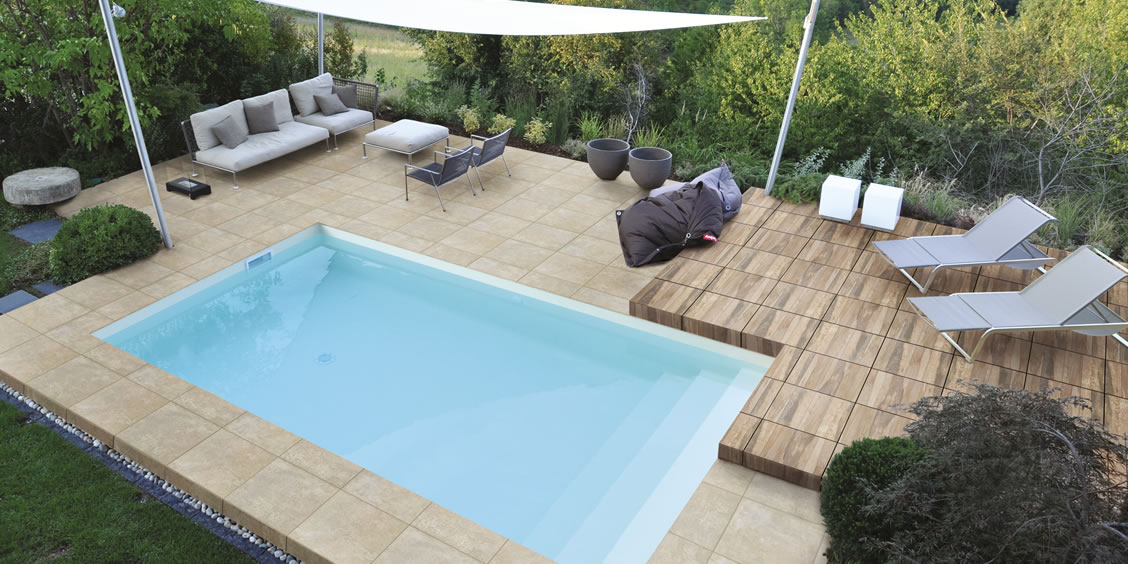
Porcelain tiles offer a wide range of design options that can mimic the appearance of natural materials such as wood, stone, and marble. Advanced manufacturing techniques allow for high-definition printing on tiles, creating realistic textures and patterns that closely resemble these materials.
This versatility means homeowners can achieve the desired aesthetic of natural wood floors or elegant stone surfaces without the environmental impact associated with harvesting and processing these natural resources. Porcelain tiles provide the beauty of natural materials while ensuring sustainability and durability.
The customization possibilities of porcelain tiles further enhance their eco-friendly credentials. These tiles can be cut, shaped, and arranged in various patterns to suit any design preference, reducing the need for additional materials. For instance, intricate mosaics or custom layouts can be created using porcelain tiles, eliminating the necessity for other decorative elements that might require more resource-intensive production processes.
Check out High Quality and Sustainable porcelain tiles at Tile Factory Direct.
FAQs
Are porcelain tiles biodegradable?
Porcelain tiles are technically biodegradable, as they are primarily made from clay, which is a natural, biodegradable material. However, the biodegradation process for porcelain tiles is extremely slow, taking thousands of years due to the high-temperature firing process used in their production.
Is ceramic or porcelain more sustainable?
Porcelain is generally considered more sustainable than ceramic tiles. Porcelain’s higher density and lower porosity make it more durable and longer-lasting, reducing the need for replacements over time. Additionally, porcelain tiles often require less energy and fewer raw materials to produce compared to ceramic tiles of similar size.
Read a guide on Porcelain vs Ceramic Tiles